2. Yards for Foraging
There’s something pleasingly wholesome about gathering plants from our own yards to use in the kitchen. The idea of weaving in less common edibles is gaining popularity, and several designers at this year’s show incorporated varieties that are safe to eat.
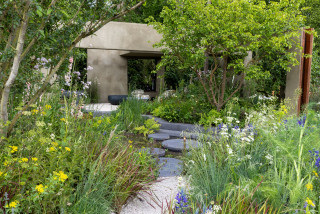
The Whittard of Chelsea garden, seen here, designed by Ollie Pike for the esteemed tea company, featured numerous plants with leaves, petals and hips perfect for infusions. These included river birch (Betula nigra, USDA zones 4 to 9; find your zone), which has vitamin-rich leaves; ‘Our Beth’ rose (Rosa ‘Beacarol’, zones 6 to 9); and tea plant (Camellia sinensis, zones 7 to 9).
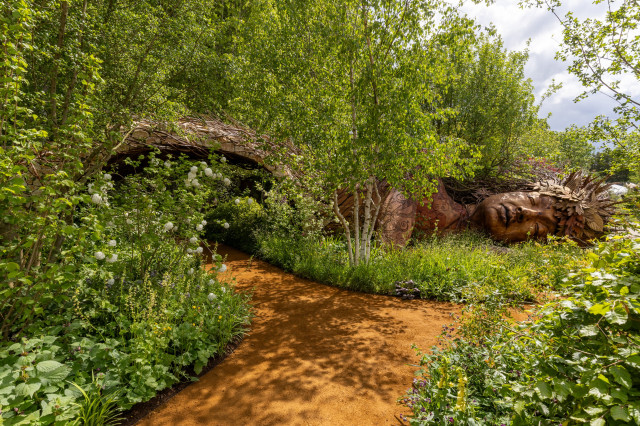
The Woodland Trust “Forgotten Forests” garden by Ashleigh Aylett contained plants with edible berries, flowers and leaves.
The Eden Project “Bring Me Sunshine” garden (see next photo) by Alex Michaelis and Harry Holding was inspired by a coastal town in northwestern England and wove edible plants that thrive in salty sea air, such as sea kale (Crambe maritima, zones 5 to 9), into soft plantings.


There’s something pleasingly wholesome about gathering plants from our own yards to use in the kitchen. The idea of weaving in less common edibles is gaining popularity, and several designers at this year’s show incorporated varieties that are safe to eat.
The Whittard of Chelsea garden, seen here, designed by Ollie Pike for the esteemed tea company, featured numerous plants with leaves, petals and hips perfect for infusions. These included river birch (Betula nigra, USDA zones 4 to 9; find your zone), which has vitamin-rich leaves; ‘Our Beth’ rose (Rosa ‘Beacarol’, zones 6 to 9); and tea plant (Camellia sinensis, zones 7 to 9).
The Woodland Trust “Forgotten Forests” garden by Ashleigh Aylett contained plants with edible berries, flowers and leaves.
The Eden Project “Bring Me Sunshine” garden (see next photo) by Alex Michaelis and Harry Holding was inspired by a coastal town in northwestern England and wove edible plants that thrive in salty sea air, such as sea kale (Crambe maritima, zones 5 to 9), into soft plantings.