This article was originally published by a www.houzz.com . Read the Original article here. .
This article was originally published by a www.houzz.com . Read the Original article here. .
The annual International Contemporary Furniture Fair, a global gathering of designers, manufacturers, architects and design enthusiasts, returned to New York City’s Javits Center on May 17-19 with ornamentation, tactile materials and expressive forms taking center stage. Throughout the trade show, furniture, lighting, accessories, wallcoverings, flooring and kitchen and bath products balanced vintage influences with playful silhouettes, softer textures and updated classic motifs. Below are the standout directions that emerged in new products at the 2026 ICFF.
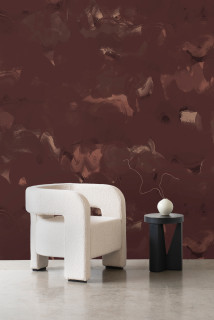
In the 1990s, interiors embraced wine-colored reds and browns. And though the palette faded from prominence, Pantone’s selection of Marsala as its 2015 Color of the Year signaled its return. Since then, the hue has steadily gained traction again, and at this year’s ICFF, its prevalence across new introductions was hard to ignore. Simply put, burgundy was everywhere, bringing depth, warmth and a slightly moodier edge.
At her booth, New Zealand designer Emma Hayes debuted Dreamer, a pattern “inspired by the quiet drama of the atmosphere.” Though available in more neutral colors, the design was especially striking in Merlot Brushed Metallic, pictured.
Find an interior designer on Houzz
Unform Studio’s new Penna chairs are designed, built and finished in Pennsylvania using locally sourced hardwoods. Inspired by tailored menswear, the UN17 armchair shown here combines white oak, blackened steel and leather in Oxblood.
7 Showstopping Lighting Trends for 2026
Curvy, wavy lines and crinkled forms appeared repeatedly at this year’s ICFF. The undulating silhouettes folded in on themselves and doubled back in complex, sculptural ways, showing up across furnishings, lighting and hardware alike.
Nitush & Aroosh’s Moro coffee table set calls to mind crumpled paper. Its sculptural stainless steel form features mirrored sides that emphasize the irregular surface while reflecting surrounding colors and textures.
7 Fresh Furniture Trends for 2026
Lo & Co.’s Lucia pull takes inspiration from the squiggled form of lasagna noodles. It’s part of the newly launched Al Dente collection created in collaboration with designer Tali Roth.
Another standout, Lawrence Technological University student Sofia Eddy’s Meander coffee table was designed to resemble a flowing river. The organic form earned Eddy recognition in ICFF’s Best of Schools exhibition.
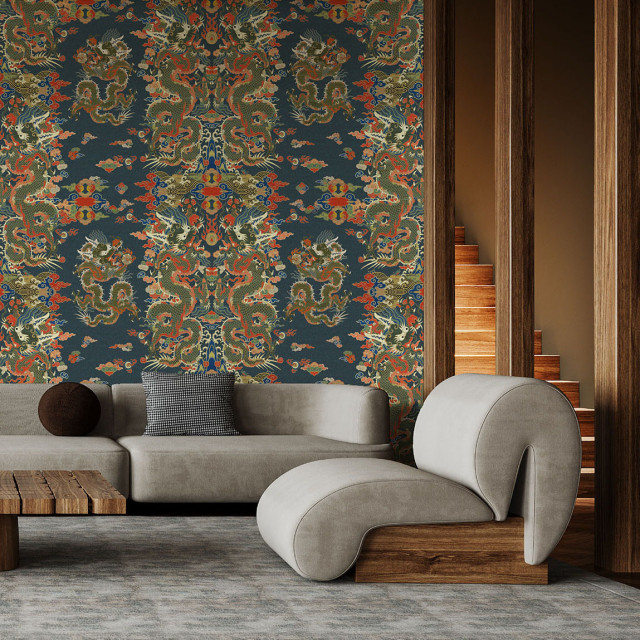
Brocade and chinoiserie patterns appeared in several new introductions, furthering the Art Deco influences seen throughout ICFF.
Kristi Bender and Wendy Schwartz of Cuff Studio, known for richly detailed interiors, showcased several new furniture introductions at ICFF, including the Fold lounge chair, ottoman and stool. Each paired sculptural forms with traditional upholstery from Scalamandre.
As traditional design aesthetics continue to regain popularity, so too do the layered, decorative details that define them. The once-maligned wallpaper border, for instance, a hallmark of 1980s and 1990s interiors, has reemerged in recent years, paving the way for similar detailing to appear in other forms as well.
Part of Alex DelBello’s rug collection for her design studio, DelBello, Sumac features a neutral field edged with vibrant sumac leaves. While the indented shape feels contemporary, the edging nods to the renewed interest in classic decorative details. DelBello says, “While some traditional elements are certainly coming back in design, I hope they aren’t too quickly labeled a trend, because in my opinion, the ones coming back are timeless, including borders.”
Grow House Grow showcased its Pilar tile, made from handmade cement with borders incorporated along both the perimeter and interior of the installation. Though abstract and graphic in pattern, the coloring and bordered application give the tiles a more traditional feel.
A noticeable thread of woven forms appeared repeatedly throughout the show. Whether used in seating, wallcoverings or rugs, braided materials became a structural and decorative element in many introductions. The applications ranged from refined and architectural to softer, more organic expressions, including Scott Group Studio’s Rista rug designed in collaboration with Mary Ratcliffe.
Innovative Sustainable Materials at Maison & Objet 2026
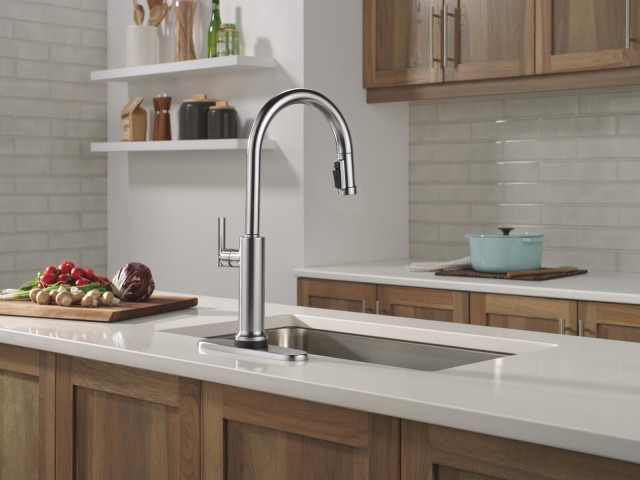
While many bath brands introduced compelling modern designs at this year’s show, others looked to the past. Brizo’s widespread wall-mount bridge faucet with side sprayer, part of the Faircroft kitchen collection, pairs a classic silhouette with contemporary technology, including touch-activated functionality.
25 Home Design Trends Defining How We’ll Live in 2026
Fireclay Tile also leaned into a more traditional bath aesthetic with the release of its Mosaic Pattern collection. The wide range of colors and shapes can be arranged in countless configurations, allowing the designs to reference historic tilework while still feeling current.
Reimagined Art Deco references surfaced repeatedly throughout the fair, from intricate inlays and plush textiles to glossy, reflective finishes. Rather than feeling overtly vintage, the influences were pared back through streamlined silhouettes and restrained material palettes.
Based on an original 1930s design by influential French designer Paul Poiret, the Roan lounge chair from Belgium’s Ethnicraft translates the Art Deco tastemaker’s work into a calmer, more streamlined silhouette.
6 Interior Design Trends From Maison & Objet 2026
Plump, circular stacks appeared frequently throughout the show, shaping everything from tables and stools to decorative hardware. The layered forms introduced a playful sense of volume, with rounded silhouettes that almost begged to be pinched.
Long Island, N.Y.-based sculptor and furniture designer Ian Love introduced both color and cast stone into his woodworking this year. His Jackson nesting coffee tables combine brightly stained eucalyptus wood bases with microcement tops, reinforcing the fair’s embrace of thick, stacked circular forms.
12 Trends Spotted at the 2026 Milan Furniture Fair
Fireclay Tile introduced its first bathroom hardware collection, Foundry, available in a range of colors and finishes. The line also includes several knob designs, including the playful Pebble, which features a softly indented top, giving the rounded form a subtly squished appearance.
More on Houzz
Read more stories
Browse photos for ideas
Find home professionals
This article was originally published by a www.houzz.com . Read the Original article here. .

There’s something pleasingly wholesome about gathering plants from our own yards to use in the kitchen. The idea of weaving in less common edibles is gaining popularity, and several designers at this year’s show incorporated varieties that are safe to eat.
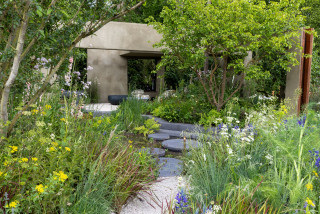
The Whittard of Chelsea garden, seen here, designed by Ollie Pike for the esteemed tea company, featured numerous plants with leaves, petals and hips perfect for infusions. These included river birch (Betula nigra, USDA zones 4 to 9; find your zone), which has vitamin-rich leaves; ‘Our Beth’ rose (Rosa ‘Beacarol’, zones 6 to 9); and tea plant (Camellia sinensis, zones 7 to 9).
The Woodland Trust “Forgotten Forests” garden by Ashleigh Aylett contained plants with edible berries, flowers and leaves.
The Eden Project “Bring Me Sunshine” garden (see next photo) by Alex Michaelis and Harry Holding was inspired by a coastal town in northwestern England and wove edible plants that thrive in salty sea air, such as sea kale (Crambe maritima, zones 5 to 9), into soft plantings.
This article was originally published by a www.houzz.com . Read the Original article here. .
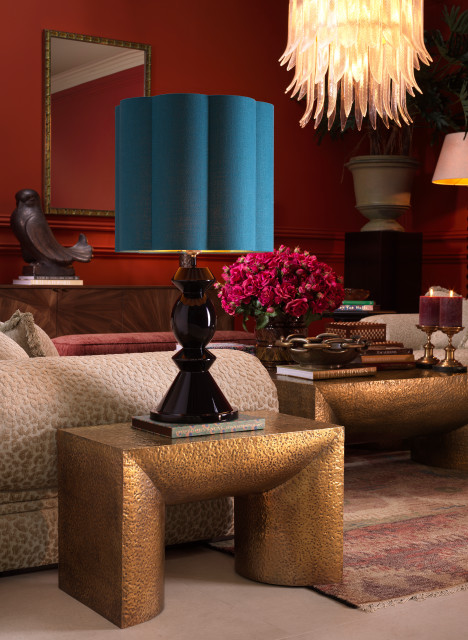
Decorative lampshades continued to gain momentum this season. While scalloped, rippled and wavy silhouettes have been trending, this market saw increased emphasis on color, pattern and, excitingly, customization.
Many manufacturers moved beyond standard neutral shades this season. Regina Andrew introduced an expansive assortment in varied shapes, sizes and colors, designed to mix and match across multiple lighting collections. Shown here is a sampling of the brand’s new sconce shade offerings.
Customization also emerged as a key focus. Visual Comfort continued to expand its popular Schumacher collaboration, incorporating the storied textile house’s fabrics into shades and lighting designs across a wide range of silhouettes. Robert Abbey announced that it now accepts COM (Customer’s Own Material) commissions for lampshades, still a relatively rare service within the lighting category.
This article was originally published by a www.houzz.com . Read the Original article here. .
In these designs, spaces flow seamlessly from one to another, alternating between open, social areas and more intimate, functional zones. The island takes on a sculptural form that makes it the focal point of the room, while the breakfast bar becomes a central gathering spot. Lines are softer, with curved and sinuous forms that reflect a home designed around interaction and fluid living. Appliances are becoming more advanced to meet contemporary needs with innovative solutions. The use of matte finishes with a tactile quality grows.
Keep reading to discover seven key kitchen trends from EuroCucina 2026.
This article was originally published by a www.houzz.com . Read the Original article here. .
“Home renovation continues at historic levels even as homeowners take a more cautious approach to future projects,” says Marine Sargsyan, head of economic research at Houzz. “What’s driving this resilience is pent-up demand from homeowners who are finally able to act on long-planned renovations. At the same time, we’re seeing a clear shift toward investing in forever homes rather than moving, with many adapting their spaces to meet changing needs.”
Beyond those broad trends, the study highlights a growing share of Gen Z renovators, evolving financing habits — including increased reliance on credit cards alongside savings — and frequent budget overruns tied to upgraded choices or expanded scope. Demand for professionals also remains strong, with the vast majority of homeowners hiring help for their projects.
Here’s more from the new study.
This article was originally published by a www.houzz.com . Read the Original article here. .

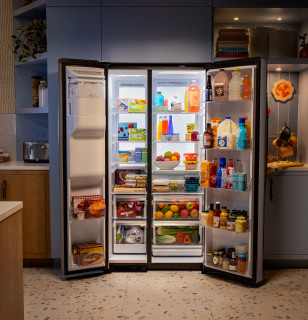
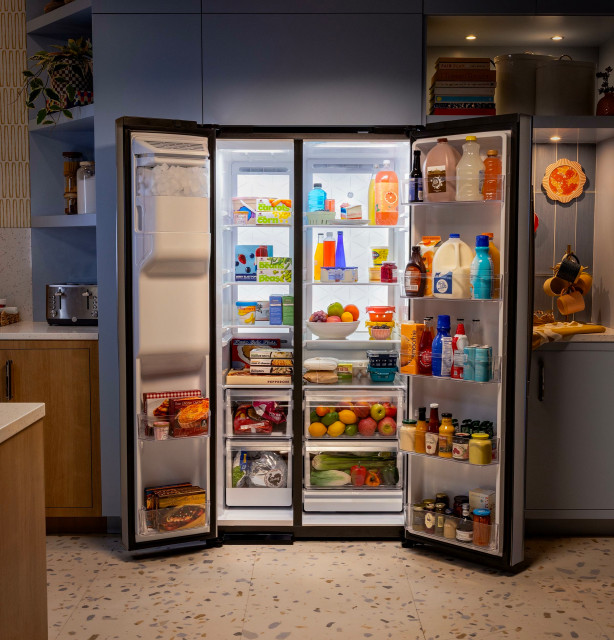
Rather than adding technology for novelty’s sake, many of this year’s debuts focus on reducing daily frustrations. Refrigerators improve visibility deep inside shelves, dishwashers accommodate reusable bottles and straws, and laundry systems are designed to better tackle pet hair and bacteria. Built-in cameras and AI-assisted features are also evolving in meaningful ways, letting homeowners check inside refrigerators remotely or monitor food as it cooks without opening the oven door. Much of the new technology is designed to work out of sight, automatically handling tasks with little to no effort from the user. The latest launches also point to a broader shift toward practical performance, including professional-style induction expanding into compact homes and outdoor spaces.
Here’s a look at the appliance innovations and trends shaping kitchens, laundry areas and other hardworking zones of the home in the year ahead.
This article was originally published by a www.houzz.com . Read the Original article here. .
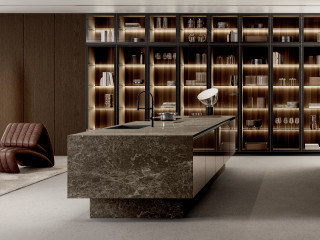
3. Workstation Sinks Evolve
Workstation sinks are continuing to gain traction for their ability to streamline prep, cleanup and entertaining in a single zone. Typically defined by built-in ledges and sliding accessories — such as cutting boards, colanders and racks — they maximize counter space while improving workflow. At KBIS 2026, the category expanded with larger sizes, more refined materials and accessories designed to move easily from sink to table.
A strong example is Kohler’s new Synthos workstation sink system. Featuring oversize stainless steel basins, multilevel ledges and smoothly sliding accessories, it’s designed to support prepping, rinsing, soaking and serving in one continuous flow. Available in widths up to 72 inches, Synthos reflects how workstation sinks are becoming more customizable, more social and more central to how today’s kitchens function.
This article was originally published by a www.houzz.com . Read the Original article here. .
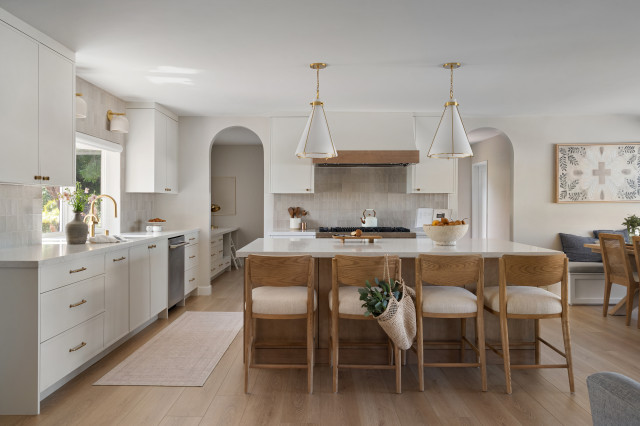
3. Smarter Workstation Sinks
Workstation sinks are continuing to gain traction for their ability to streamline prep, cleanup and entertaining in a single zone. Typically defined by built-in ledges and sliding accessories — such as cutting boards, colanders and racks — they maximize counter space while improving workflow. At KBIS 2026, the category expanded with larger sizes, more refined materials and accessories designed to move easily from sink to table.
A strong example is Kohler’s new Synthos workstation sink system. Featuring oversize stainless steel basins, multilevel ledges and smoothly sliding accessories, it’s designed to support prepping, rinsing, soaking and serving in one continuous workflow. Available in widths up to 72 inches, Synthos reflects how workstation sinks are becoming more customizable, more social and more central to how today’s kitchens function.
This article was originally published by a www.houzz.com . Read the Original article here. .
1. Decorative Reuse
The theme of this year’s event was Material Evolution, an idea that embraced not just the new, but the reused and reinvented as well, and there were plenty of examples of reworked waste materials across the show.
But while we’ve become used to the idea of plastic bottles made into countertops and construction waste being turned into bricks, what felt so inspiring were the numerous examples of waste materials being reinvented in intricate and beautiful ways.
The most striking piece was by “Emerging Talent” Eleanor Pickin, who uses industry offcuts and discarded veneers to craft exquisite marquetry. Her Ocean Screen (pictured) depicts an undersea world and, in addition to looking beautiful, serves to remind us of the need to take care of fragile ecosystems.
It’s full of detail (note the emerging octopus, bottom right), has a night scene on the back, and can be commissioned in sections, depending on the size of screen required.
Find home design and remodeling professionals on Houzz
This article was originally published by a www.houzz.com . Read the Original article here. .
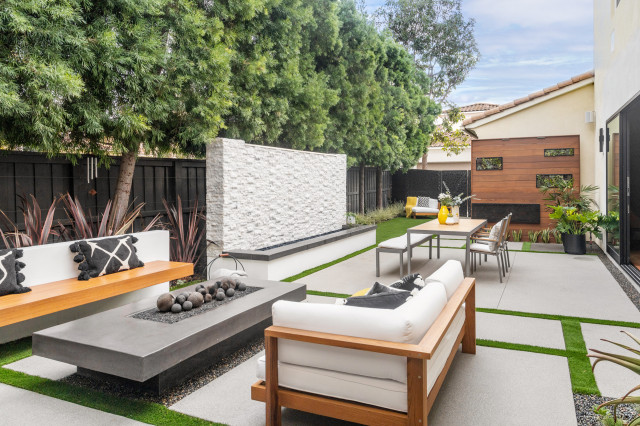
Lounge areas are now a defining feature of outdoor spaces, included in 83% of redesigns in 2026. These areas most commonly feature sofas or lounge chairs (71%), outdoor lighting (66%), coffee or side tables (55%) and fireplaces or fire pits (48%). Entertainment elements such as TVs or sound systems appear in 22% of lounge areas, while 13% include a bar or beverage refrigerator.
Dining areas are also popular, included in 55% of outdoor spaces. Nearly all feature a dining table or seating (90%), and many layer in additional comfort, including sofas or lounge chairs (68%) and coffee or side tables (50%). Lighting is included in 66% of dining spaces, and 49% feature a fireplace or fire pit. Functional additions such as grills (56%) and beverage refrigerators or bars (16%) support outdoor entertaining.
Dedicated reading areas or quiet retreats are present in 53% of renovated outdoor spaces, with comfort leading the design. Most include sofas, sectionals or lounge chairs (74%), along with lighting (66%) and coffee or side tables (55%). Fire features appear in 45% of these spaces, while smaller shares include beverage refrigeration (11%), outdoor showers (5%) or even treehouses (2%).
Nearly half of homeowners (49%) include dedicated gardening areas. These are most often defined by beds or borders (74%) and supported with lighting (64%). Storage or cabinetry is included in 30% of gardening zones, helping keep tools and materials organized.
3 Outdoor Retreats Designed for Comfort and Accessibility