2. Turn to Natives
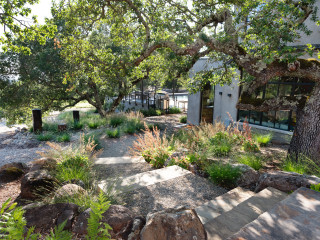
Native plants are a favorite jumping-off point for landscape pros when they’re designing a low-maintenance garden. “Plants indigenous to your area will result in lower maintenance needs, as they are well adapted to your natural soils, precipitation patterns and microclimates,” landscape designer Isara Ongwiseth of FormLA Landscaping says.
Oscar Ortega, who oversees maintenance for FormLA Landscaping, adds that native species do not need fertilizers or pesticides, which cuts down on maintenance while also supporting wildlife habitats.
Landscape designer Deborah Gliksman of Urban Oasis Landscape Design is another champion of native plants for the same reasons. She adds that native species often use less water than many nonnative exotics in her Southern California locale, where water considerations are a must, and help restore natural biodiversity.
What to Know About Starting Your First Native Plant Garden
This article was originally published by a www.houzz.com . Read the Original article here. .
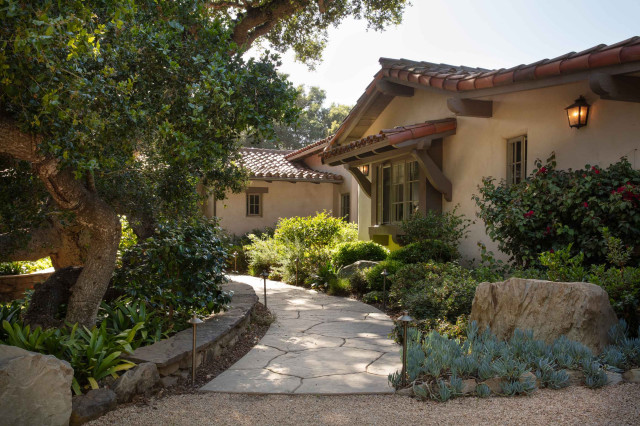



Native plants are a favorite jumping-off point for landscape pros when they’re designing a low-maintenance garden. “Plants indigenous to your area will result in lower maintenance needs, as they are well adapted to your natural soils, precipitation patterns and microclimates,” landscape designer Isara Ongwiseth of FormLA Landscaping says.
Oscar Ortega, who oversees maintenance for FormLA Landscaping, adds that native species do not need fertilizers or pesticides, which cuts down on maintenance while also supporting wildlife habitats.
Landscape designer Deborah Gliksman of Urban Oasis Landscape Design is another champion of native plants for the same reasons. She adds that native species often use less water than many nonnative exotics in her Southern California locale, where water considerations are a must, and help restore natural biodiversity.
What to Know About Starting Your First Native Plant Garden