This article was originally published by a www.houzz.com . Read the Original article here. .
This article was originally published by a www.houzz.com . Read the Original article here. .
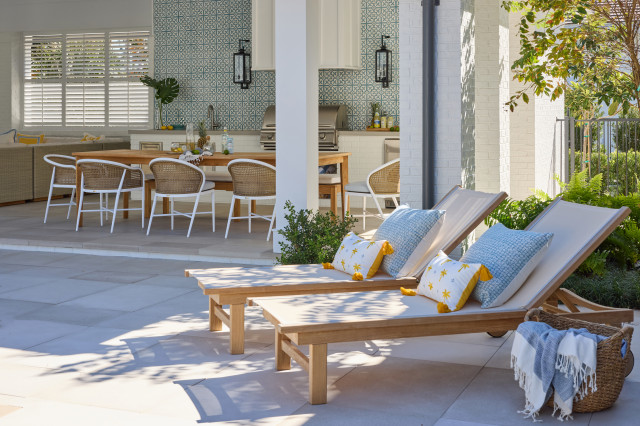
An outdoor dining area can function as an extension of the home, providing additional space for hosting family and friends. The popularity of al fresco entertaining has soared recently as more people take advantage of outdoor living areas. You can make your outdoor dining experience even better with these upgrades, which range from simple updates to larger projects. Here are 10 ways to add color, style and function to your outdoor dining area.
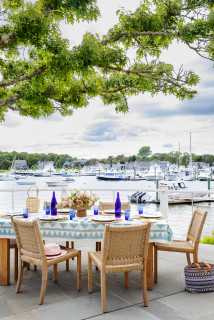
No budget to buy new dining furniture this year? Pick up some fresh table linens, seat cushions, place mats, napkins and colorful outdoor dishes to add pizazz without the price tag. New accessories go a long way toward elevating the festive factor.
10 Outdoor Living Essentials to Get Ready for Summer
Protect your patio or deck while adding pattern, texture and a punch of color to your outdoor dining area with a large outdoor rug. Choose one that’s weather- and stain-resistant so it lasts more than one season.
Pro tip: Keep the rug’s edges from curling up by placing furniture legs in strategic spots or roll up some masking tape into balls and place it under the corners.
Limited space to plant culinary herbs for your grilling area? Look up! Outdoor kitchens can benefit from a living wall made from a specialized vertical garden system or horizontally hung gutters. Not only will a vertical garden add color and texture, but you can snip fresh herbs to season your dishes whenever you need them. Also consider vertically hanging some strawberry or cherry tomato plants to pluck produce straight from the vine.
Find home design and remodeling professionals on Houzz
Get the outdoor party started by spinning your favorite playlist (keeping neighbors in mind when it comes to volume, of course). There are many wireless speakers on the market that can withstand the elements. Some are even designed to look like elements of a landscape, such as boulders. Others can be hung in the corners of your patio or set up on side tables.
You’ll need both task and ambient lighting to accommodate evening cooking and entertaining. Clip lights to your barbecue’s lid, hang up rows of string lights for some sparkle and set up freestanding lanterns or hurricane lamps with wax or artificial candles to keep the glow going while you’re outside.
Who says you can’t enjoy your deck area in early spring or late fall? By installing natural gas or portable propane patio heaters — which can be safely used under eaves and pergolas — you can spend more time outdoors with loved ones. If you have an overhang on your house, you can also put outdoor-rated infrared heaters in the ceiling above your dining or lounge areas.
A fireplace, fire table or several fire columns can transform a ho-hum patio into a spot where everyone wants to gather. Having a fire feature not only adds an outdoor focal point, it also helps you stay warm on chilly evenings as summer wanes. Choose from hundreds of models on the market, including some that double as dining tables — they come with a removable top that hides the gas fire feature underneath.
10 Things to Know About Buying a Fire Pit for Your Yard
If you live in an urban or suburban neighborhood, you might be able to see your neighbors over the fence and vice versa. If you need more privacy in your outdoor kitchen or dining area, install a decorative screen that’s both functional and beautiful. Choose ones made from wood, wrought iron with cutout designs, bamboo or lattice for added visual appeal.
Why You Should Consider a Landscape Screen for Your Yard
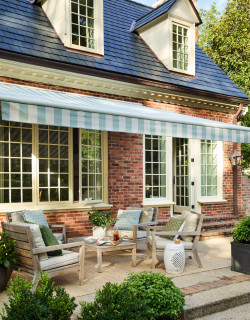
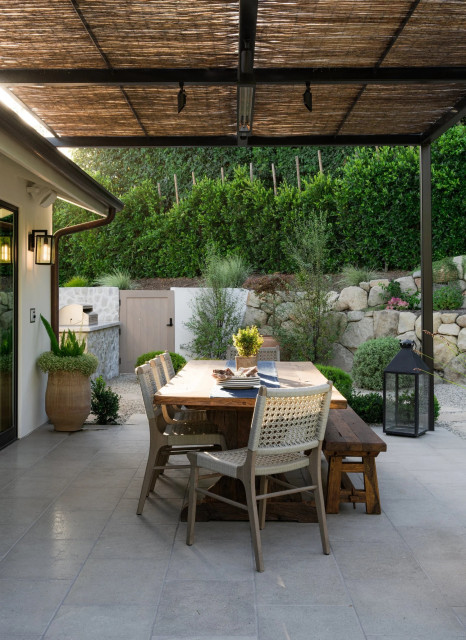
Because you might want to enjoy being outside even if the sun is blazing or the rain is pouring down, consider adding a structure overhead to create shade, shelter and interest. There are many options to choose from, including pergolas, arbors, shade trees and retractable awnings that can protect you from the elements when needed. Bonus: If you add an open-air structure, you can plant flowering vines and enjoy their scent all season.
More on Houzz
Read more landscape stories
Browse outdoor photos for ideas
Find a landscape contractor
This article was originally published by a www.houzz.com . Read the Original article here. .
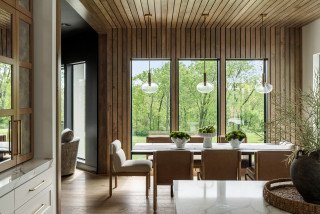
Fortunately, these days you’ve got digital tools available that allow you to stay on top of projects, even when you’re sunning yourself on a beach. Combine these with some effective client and team communication before you step away and you’ll set yourself up for a stress-free break. Here’s how to go about it.
This article was originally published by a www.houzz.com . Read the Original article here. .

Slowing the flow and directing water into the ground prevents damaging runoff and pooling, making your yard more usable while nourishing any plants. If space allows, creating a dedicated area where water is welcomed can diversify your plantings and attract local wildlife. These backyard solutions also contribute more broadly by reducing the strain on overburdened storm drains.
Water management doesn’t have to come at the expense of style, either. Discover how these designs turn drainage into an attractive landscape feature.
This article was originally published by a www.houzz.com . Read the Original article here. .
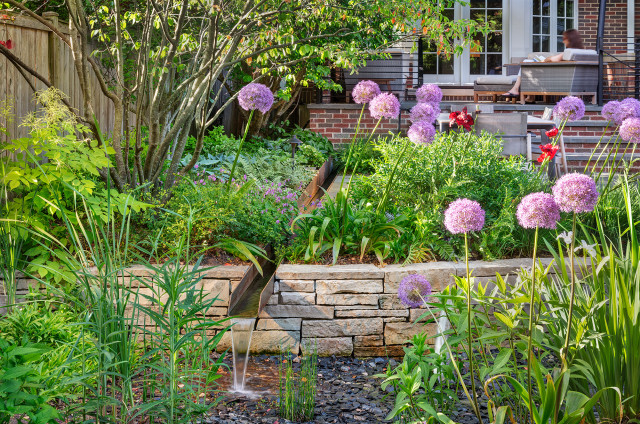
Slowing the flow and directing water into the ground prevents damaging runoff and pooling, making your yard more usable while nourishing any plants. If space allows, creating a dedicated area where water is welcomed can diversify your plantings and attract local wildlife. These backyard solutions also contribute more broadly by reducing the strain on overburdened storm drains.
Water management doesn’t have to come at the expense of style, either. Discover how these designs turn drainage into an attractive landscape feature.
This article was originally published by a www.houzz.com . Read the Original article here. .

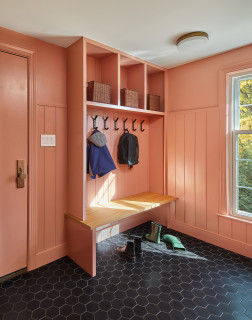
Often when we move into a house, we automatically start using the rooms in the same way the previous inhabitants did — not because it’s necessarily what works best for us, but because we may not realize we have another option. So if you’re short on space for a passion project (see No. 6), consider whether there might be a room you could repurpose. For example, you could turn a little-used formal dining room into a library or craft room, or clean out the garage to make space for a home music studio.
Even if you’re not looking for space to use for your hobby, swapping rooms can be a fun way to shake things up at home. Swap your living room and dining room so you can dine by the fire, or switch the breakfast table for a comfy reading chair where you can sip your coffee while the morning sunlight streams in.
This article was originally published by a www.houzz.com . Read the Original article here. .
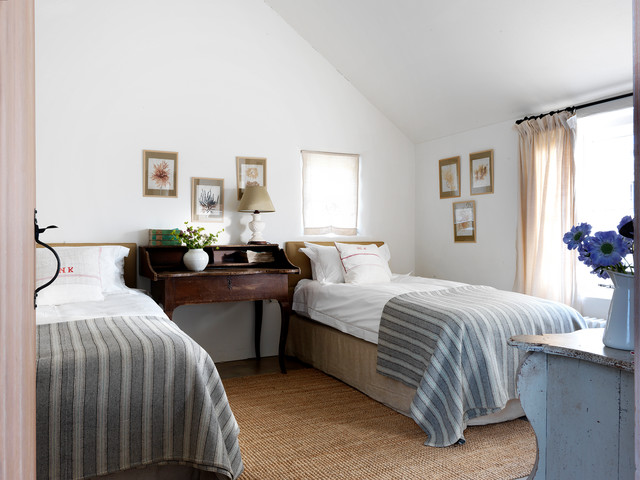
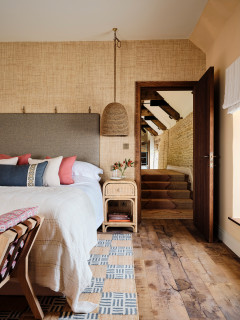
Natural textures are key to this look. Wood, stone, jute, linen and wool will all provide a link to nature and work together to create a fuss-free scheme.
Go for clean-lined furniture shapes for a contemporary take. Choosing unpainted wood that allows the grain to show through and undyed fabrics in natural tones will help to create a tactile and earthy scheme that provides a link to the outdoors all year round.
Smaller elements, such as jute or seagrass baskets, can also help to introduce pleasing texture in a simple way.
This article was originally published by a www.houzz.com . Read the Original article here. .

Natural textures are key to this look. Wood, stone, jute, linen and wool will all provide a link to nature and work together to create a fuss-free scheme.
Go for clean-lined furniture shapes for a contemporary take. Choosing unpainted wood that allows the grain to show through and undyed fabrics in natural tones will help to create a tactile and earthy scheme that provides a link to the outdoors all year round.
Smaller elements, such as jute or seagrass baskets, can also help to introduce pleasing texture in a simple way.
This article was originally published by a www.houzz.com . Read the Original article here. .
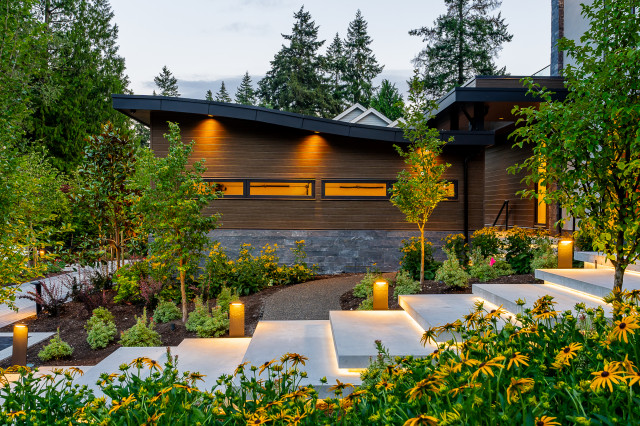
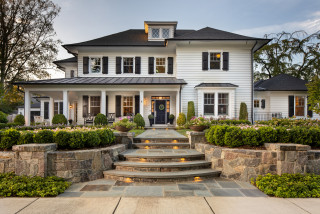
Whether you choose hard-wired, battery-powered or solar lights, the key is to avoid fixtures that create glare, which could dazzle and disorient. It’s also worth considering timers or motion sensors, so lights turn on when needed but don’t disrupt wildlife all night.
Scroll down to see how designers on Houzz have lit steps and pathways across a range of landscapes.
This article was originally published by a www.houzz.com . Read the Original article here. .


But before we dive into ways to use it at home, a quick note on Pantone. The company develops and manages color standards and tools for a variety of industries, including fashion, advertising, branding, product development and interior design. Every year the company puts out color trend forecasts, including a Color of the Year selection, to help guide product design and marketing. The institute partners with major brands to showcase its annual color selection. This coming year you’ll find Cloud Dancer used for Joybird furniture fabrics, Motorola’s Edge 70 smartphone and 3M Post-it Notes, among other products.
This article was originally published by a www.houzz.com . Read the Original article here. .

You don’t need to go to a fancy spa to bliss out — have the spa come to you instead. Find a local massage therapist who makes house calls and get ready to relax.
15. Sign Up for a One-Day Class
If you love trying new things on vacation, don’t feel you must miss out just because you are at home. Check out the continuing education department at your local university or community center, or search listings in the free paper to locate upcoming workshops that sound appealing. Try a cooking class, a painting or pottery workshop, or a lecture.