
Residential construction permitting activity presented a mixed picture through the first quarter of 2026, as weakness in the single-family market contrasted with continued strength in multifamily development. Elevated financing costs, ongoing affordability challenges, and softer builder sentiment continued to weigh on single-family construction activity, while multifamily permitting remained supported by demand for rental housing.
Over the first three months of the year, the number of single-family permits issued nationwide reached 214,655. On a year-over-year basis, this represents a 7.6 percent decline compared with the March 2025 total of 232,221. On the other hand, multifamily permitting activity was stronger, with 121,404 permits issued nationwide, marking a 7.1 percent increase from the same period last year.
Regionally, year-to-date single-family permitting declined in all four regions through March. The Midwest was essentially flat, the South declined by 7.4 percent, the West dropped 9.3 percent, and the Northeast fell 17.1 percent. Multifamily permits increased in three of the four regions, led by gains in the Northeast (up 47.0 percent), followed by the West (up 38.0 percent), and the Midwest (up 2.2 percent). The South saw a decline of 13.3 percent, driven largely by a 42.0 percent decrease in the Houston-Pasadena-The Woodlands, TX metropolitan area and a 29.0 percent drop in the Miami-Fort Lauderdale-West Palm Beach, FL metropolitan area.
At the state level, 12 states recorded year-over-year increases in single-family permits in March, with gains ranging from 18.6 percent in Alabama to 0.2 percent in Minnesota. The District of Columbia reported no change. The remaining 38 states reported declines, led by Maryland, which posted the steepest drop at 25.4 percent.
The ten states issuing the highest number of single-family permits accounted for 63.7 percent of all single-family permits issued nationwide. Texas led the country with 35,231 permits issued at the end of the first quarter of 2026, although this represented an 8.3 percent decline compared with March 2025. Florida, the second-highest state, saw permits fall by 6.7 percent, while North Carolina, ranked third, experienced a decline of 15.4 percent.
Between March 2026 and March 2025, 29 states recorded increases in multifamily building permits, while 21 states and the District of Columbia experienced declines. Rhode Island posted the largest percentage increase, with multifamily permits surging 397.2 percent, rising from 109 to 542 units. In contrast, Nevada recorded the steepest decline, with permits falling 81.6 percent, from 2,299 to 422 units.
The ten states issuing the highest number of multifamily permits accounted for 62.8 percent of all multifamily permits issued nationwide. Over the first three months of 2026, California, which issued the most multifamily permits, recorded a substantial increase of 105.4 percent. Texas, the second-highest state, posted a decline of 2.9 percent, while New York, ranking third, saw multifamily permits rise by 154.8 percent.
At the local level, the following are the ten metropolitan areas with the highest number of single-family permits issued.
Below are the ten metropolitan areas with the highest levels of multifamily permitting activity.
This article was originally published by a eyeonhousing.org . Read the Original article here. .
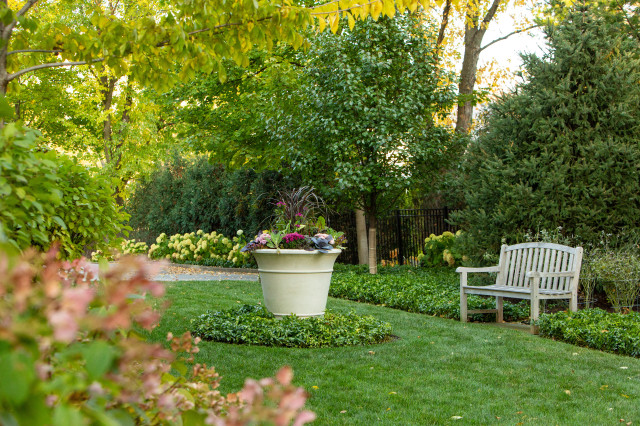
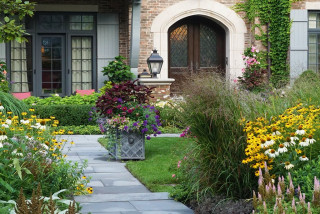
While some bulbs that need a colder winter may rebloom when planted in the garden, many will produce only leaves in subsequent years. To get a good show, consider treating bulbs like annuals.
Cold-winter climates. Winter chill isn’t an issue for cold-hardy bulbs, but freeze-and-thaw cycles can damage them. If the ground won’t be covered in snow or frozen, provide a layer of mulch.
You may also need to dig up tender bulbs such as canna lilies, dahlias and gladioluses, and overwinter them in a cool, dry location.
How to Plant Bulbs in Fall for Spring and Summer Blooms