Author

realtykast_fmyriy

Browsing


Welcome to “The Houzz Guest,” a six-part series where we’ll talk with design, remodeling and building experts for practical advice on improving your home. In our debut episode, host Dorcas Adewole discusses healthy homes with Julee Ireland, an architectural interior designer and founder of Home Renovation School, an educational platform that helps homeowners, designers and builders better manage remodeling projects. Ireland explains how the right lighting can boost well-being, and she shares practical tips on when to have your budget ready and how to avoid costly remodeling mistakes.

Stay tuned until the end, when Ireland tackles real-world design dilemmas from the Houzz community, like how to update a 1970s ranch home and how to choose a neutral white paint.

Watch “The Houzz Guest” on Houzz, YouTube, Spotify and Apple Podcasts. New episodes drop every Tuesday.

See show notes


This article was originally published by a www.houzz.com . Read the Original article here. .


Following the highest number of multifamily completions in nearly 40 years in 2024, completions declined in 2025 to 484,000, according to NAHB analysis of the Census Bureau’s Survey of Construction. For the ninth consecutive year, a majority of new multifamily units were in buildings with 50 or more units (labeled as high-density buildings) at 57%, the highest share since 2021.

Dating back to the earliest estimates in the series (1972), multifamily units have historically been built in buildings with less than 50 units (low-medium density buildings). This trend reversed in 2017 and has remained unchanged through 2025, with a majority of new multifamily units being located in high-density buildings. Of the total 484,000 multifamily units completed in 2025, 278,000 (57%) were in high-density buildings while the remaining 206,000 (43%) were in low-medium density buildings.

Regional Distribution

The South continued to be the leading region in terms of units completed, down from 292,000 in 2024 to 217,000 completions in 2025. The South accounted for 45% of the total multifamily completions; the West held 26% (127,000), the Northeast 16% (79,000), and the Midwest 13% (63,000). The Midwest was the only region where low-medium density completions outpaced those in high-density buildings. The Midwest had 38,000 completions in low-medium density compared to 25,000 units in high-density buildings.

Conversely, the South, West and Northeast had more high-density completions than completions in low-medium density buildings. For the South, there were 122,000 units in high-density buildings and 95,000 low-medium density units. The West had 74,000 units in high-density buildings and 53,000 low-medium density units. The Northeast featured the largest divergence with 58,000 high-density units and 21,000 low-medium density.

As a share of regional completions, units in high-density buildings reached a new high in the Northeast at 73%. In the South, this share was up from 50% in 2024 to 56% in 2025. The West saw a similar rise, from 50% to 58% in 2025. The Midwest was the only region where this share declined, from 67% in 2024 to just 40% of completions in 2025.

Built-for-Rent

Among multifamily units completed in 2025, 95% were built-for-rent at 461,000. Over half of these units (59%) were in a building with 50 units or more, the highest share since 2021 (59%). This was the ninth straight year where most of multifamily rental-units were in high-density buildings. The second largest share was split between 30-49 unit buildings and 20-29 unit buildings, as both represented 15% of completed units in 2025. No other building category accounted for over 10% of completions in 2025.

Built-for-Sale

The number of multifamily units built-for-sale fell from 29,000 in 2024 to 23,000 in 2025. High-density buildings continued to be the primary type of building where these units were built, with 32% of built-for-sale units being completed in buildings with 50+ units. This share was down from 40% in 2024. The largest gain in market share for multifamily built-for-sale units was for buildings with 10-19 units, rising from 13% in 2024 to 24% in 2025 and making it the second largest segment of multifamily units built-for-sale.


This article was originally published by a eyeonhousing.org . Read the Original article here. .


Name

Jefferson Simmons
Location Manhattan, Kansas
Occupation Full-time real estate investor (former underwriter, Realtor, and university fundraiser)
Assets 17 properties, 39 doors, $20,000/month in cash flow
Investment strategy Single-family and small multifamily buy-and-hold, BRRRR-style renovation, creative seller, and private financing
Financing

Parental co-sign, family JV equity, private money line of credit, seller financing

Jefferson Simmons was 20 years old and about to be homeless. His entire fraternity house was getting renovated, and every rental in town wanted nothing to do with a group of college guys. 

On a whim, he flipped a Zillow toggle from rent to buy and found a mismarketed three-bedroom house that was actually a 2,700-square-foot property with three extra rooms in the basement. He pitched his parents to co-sign, negotiated the seller down seven rounds to $178,000, and moved his fraternity brothers into the basement. 

Nine years later, he’s walked away from law school, built partnerships with an uncle and a private investor, and grown that first accidental deal into 17 properties and 39 doors. 

Here’s how he built it.

You were a sophomore in college, with no income and no credit. How did you actually get that first house?

I’d saved money since high school from selling firewood and doing livestock projects, and I got a full academic scholarship right before graduation, so I had a nest egg but no income a bank would lend against. 

I went home and pitched my parents using an Excel spreadsheet and a full 10-year pro forma showing rent increases, and they agreed to co-sign. I negotiated the seller down from their asking price to $178,000 over seven rounds of back-and-forth, partly because I knew from the listing agent that the family was highly motivated to sell, and partly because I genuinely had no more room to go higher. 

My mortgage payment has stayed the same the whole time, about $1,300 a month, including taxes and insurance. I rented it the first year for $1,600, and it’s currently leased through 2027 at $3,100 per month.

Your second deal was a foreclosure auction property you bought with your uncle. How did that partnership actually work?

I saw a duplex next door to my first house heading to a bank foreclosure auction, and I had zero money to buy it myself. My uncle, who’d built a portfolio of his own and was a big mentor to me, agreed to fund it as a money partner. 

We could only look through the windows before the auction since we couldn’t access the interior, so we did our underwriting from the driveway over coffee, and he told me we could afford up to $140,000 after repairs. Then he left the country on a trip and told me he’d be completely unreachable, so I was the one bidding live from my laptop. 

I got it to $100,000, and even though it didn’t technically meet the bank’s reserve, they wanted it off their books and took the offer anyway.

You walked away from law school after one semester to go all-in on real estate. What made you pull the trigger?

I sat in my first law school class, and they described the bell curve of graduates, meaning that where you rank determines your salary. I realized I wasn’t going to be at the top of that curve, and I’d be leaving school with over $100,000 in student loan debt for the privilege. 

I’d already closed two real estate deals by that point and had real proof of concept, so I decided I’d rather take on another mortgage that pays me back than debt that doesn’t. I left after one semester, worked as an insurance underwriter making $42,000 a year, got my real estate license on the side, and kept buying single-family homes for years while working two jobs.

You’ve done some creative financing since then, including turning a house sale into a line of credit. Walk us through that deal.

I was working as an agent for a cash-buyer client during an insane seller’s market where every listing was already pending within hours. He was getting frustrated that we couldn’t move fast enough on anything. 

Around the same time, tenants in a house I owned asked to break their lease early to buy their forever home, and I let them out of it. That left me with a vacant house I knew fit exactly what my client wanted. 

Over dinner, I gave him two options: I’d sell it to him for $25,000 more than I paid, or I’d sell it to him at my exact cost if he’d write me a $200,000 private line of credit instead. He laughed, looked at the house with his wife over FaceTime, and agreed to the line of credit. 

Three months later, I used it to buy a $171,000 house, and he wired the full balance the day of closing with no appraisal and no bank fees. I pay him 7.25% interest, which beats his T-bill returns and costs me less than a bank would. We’ve since done several more deals together and become genuine friends.

What does your portfolio look like today, and what’s actually driving your growth now?

I’m at 17 properties, 39 doors total, and I own all of them outright except for a minority stake in a 15-unit I hold with a few partners. Altogether, that’s about $20,000 a month in cash flow. 

A big unlock along the way was sweat equity: I helped my uncle renovate a 12-unit he bought in 2019, doing new kitchens, floors, and paint myself, in exchange for a 10% stake, which let me build equity without putting up much of my own cash. I also stopped thinking I could only buy one house a year by saving for the next down payment, since that mindset was actually limiting how fast I could scale. 

Between the family partnership, the private line of credit, and just getting comfortable asking people directly for capital, that’s what let me go from one deal a year to where I am now.


Source link


Worried you’ll come up short in retirement? When Brian Waters ran the numbers, he realized he was still decades away from being able to leave his nine-to-five. He needed a lifeline, and he found one in real estate investing. In just five years, he has scaled to 20 rental properties, and against all odds, he’s already on track to retire early!

When we last checked in with Brian, he was buying simple, affordable, turnkey properties 2,000 miles away. But recently, he’s pivoted to a “hybrid” investing strategy you’ve probably never heard of, one that’s helping him scale his real estate portfolio even faster. In the past six months alone, he’s added six rentals—all while working full-time, coaching football on the weekends, and staying fully present with his family.

Today, Brian shares the highly “repeatable” formula he’s using to tie everything together, makes a convincing case for keeping your W-2 job while you grow your real estate business, and shows you how to use other people’s money (and knowledge) to stack properties much faster than you ever could alone.

Dave:
Are you in danger of coming up short in retirement? When Brian ran the numbers, he realized he was nowhere near the amount he’d actually need to walk away from his nine to five. But what could he do? He was already putting in long hours at the fire station. He couldn’t possibly take on a second job. Well, like many people searching for financial freedom, he turned to real estate. In just five years, he’s scaled to 20 rentals and against all odds, he’s on track to retire early. When we last checked in with Brian, he was buying simple, affordable turnkey rental properties 2000 miles away from where he lives. But recently he’s pivoted to a hybrid strategy you’ve probably never heard of, but one that’s helping him scale his portfolio rapidly. In the last six months alone, he’s bought six more rental properties all while working his full-time job, coaching football on the weekends, and staying fully present with his family.
And Brian’s about to give you the highly repeatable strategy he’s using to tie it all together. What’s up everyone? I’m Dave Meyer, chief investment officer at BiggerPockets. Today on the show, we have investor Brian Waters, a firefighter who is building a portfolio of affordable rental properties long distance from his home in California. Brian, welcome back to the BiggerPockets Podcast. So good to see you again.

Brian:
I can’t tell you how excited to get on here for the second time. I obviously had a great time the first time, so it’s a pleasure to be back, you guys. Thank you.

Dave:
There are people who didn’t catch your first episode, so maybe just tell us a little bit about yourself and a little bit of background on your investing.

Brian:
Yeah, absolutely. So my name is Brian Waters. I live out in California, married, have two amazing twin boys that are 13. I was an airline pilot for a number of years, got laid off, became a firefighter for Los Angeles. I’m a captain there now. And I realized at some point the pension just wasn’t going to cut it. So I did all the other crazy stuff that males do in their younger age from just investing in this and that, came across BP, BiggerPockets, and it changed my life. Now I’m just scaling my portfolio while combining that with my W-2 job as a firefighter, a busy dad, a football coach, all those things. And yeah, I would love to get into how I’m doing that from 2,000 miles away.

Dave:
What was your approach when you realized you wanted to buy rentals, couldn’t do it in California? How’d you go about figuring out the solution that you ultimately landed on?

Brian:
It was almost out of necessity, to be honest, because once I bought that first property out in California, I didn’t have a lot of capital. And I was like, “Well, I can save my way up, but I’ll see you in 10 years when I have enough to do it.” And so listening to a lot about what you and Henry talk about on the show, you got to come up with a strategy, a plan. Standing there at parade rest for me is not an option. So what I realized is I’m making a very good income and I’m blessed to have my job as a fireman in California, and I’m going to go take it, that money and that capital and go put it to work in markets where it makes sense. So for me, it just became out of necessity, truthfully.

Dave:
And tell us a little bit about what the strategy is you chose.

Brian:
Yeah, so for me, the initial strategy, which we’ve talked about on the previous episode was turnkey. I think it’s a very fantastic way for busy professionals. Like I said, I coach my kids’ football team, I’m a busy dad, all those things, just like I’d say most of the listeners are on BiggerPockets.

Dave:
For sure.

Brian:
So what that is for the listener is you’re buying a property that a company goes out and finds, they do all the remodeling, they put a tenant in place, they take care of all the CapEx, all that cool stuff, and they put it out there and you can buy it. It’s off market, and then they go ahead and professionally manage it for you. The only problem with that after you do two, three, four, I ran into the same exact problem that I was having in California. Now I have to save my way to the next one. And so I decided to eventually take those skill sets that I was learning, because you’re going to learn a lot even in Turnkey and bridge that into doing the Burr process, which you guys talk so much about. And so I think it was a perfect segue into that.
I learned a lot during those things and I’m still learning, but I was able to put those things to work in doing the Burrs, and that’s what I’m doing now.

Dave:
Great. And we’re going to talk about the Burr a lot and how you’re doing it long distance, but curious just to hear a little bit more about your experience with Turnkey. People have very different opinions on the merit of buying a turnkey property. And again, just for our audience, people use the word turnkey in two different ways in real estate. One is if you went out and bought an on-market rental that was move-in ready, you could just put a tenant in it right away. Some people call that a turnkey deal. But there’s this other business where you go to a turnkey provider and they actually find the deal for you, they renovate it for you. That’s what Brian was talking about. So what was your experience like with that, Brian?

Brian:
So these turnkey providers, they deal with a lot of out-of-state investors, and I think it’s a good combination. So they’ve solved a lot of our problems. Number one, deal flow is a big deal. The interest rates, that’s a big deal. Being able to professionally manage it and also on the back end, knowing what you’re going to rent. So what I wanted to do initially was not have to do a lot of analyzing and stuff. So they’ll bring you these properties and they’re great. They basically do all the work for you, all the CapEx stuff’s done. They know the markets, they’ve done hundreds and hundreds and hundreds of these, but most importantly, the incentives that they give you. It’s wild. So right now they’re buying the rates down to five and a half percent or lower for you at no cost, which is That’s amazing. That is great.
It’s great. They’re giving us deals on the property management fees. They’re also giving us rent guarantee for the year, which another one is like, what? I

Dave:
Can’t believe they’re doing that. Oh, I did hear about that.

Brian:
Yeah. Well, that’s a new thing that they’re doing because the truth is you’re going to have evictions, you’re going to have stuff that happens, but they want us to have the best experience possible. So for that year that the tenants are in there, if it’s an eviction or whatever they leave, they’re going to guarantee that rent that you sign on the lease. So I’m like, “You cannot lose you guys. You can’t lose.”

Dave:
That’s pretty good.

Brian:
So that’s a risk mitigator, especially when you’re coming from across the country.

Dave:
That makes a lot of sense. If you think about the way that a turnkey provider, one of these companies operates in their business model, they need to move deals. They rely on velocity and volume of deals to make money. And so they’re buying deals, they’re renovating, and they got to sell them quickly. So they will offer incentives. In the same way, if you look at what’s going on in new construction with builders right now, they’re offering incentives too because their business model relies on velocity. They need to keep moving stuff. And so that presents a great opportunity. The trade-off that you get with a turnkey provider is that a lot of the equity growth of doing a renovation yourself, that opportunity is gone because they’ve done that and they’re selling it to you hopefully at a fair price. But you don’t typically go out and buy from a turnkey provider and then say, oh, I’m going to renovate this property because it was just renovated.
And so if you’re a kind of investor who just wants hands off, “I don’t want to do very much. I get some cashflow, but I don’t need some big bump of equity,” great option. But Brian, it sounds like you’ve in your own life reached a point where you said, “I can’t just keep sticking with this strategy because I got to come up with 20 or 25% down every time I’m doing this, and I’m not building more equity that quickly in these deals.” So that’s when you decided to do what?

Brian:
I started to do the burr stuff, and that’s what I’ve transitioned it into. And that’s how I’ve been able to scale my portfolio from the last time we talked at 14, now up to 20, and I’ve put four more under contract.

Dave:
Whoa. I mean, that was less than a year ago, right? Yeah,

Brian:
It was six months ago.

Dave:
Well, we’re going to talk about that, but why Burr? What stood out to you about this strategy is what’s right for you?

Brian:
I’m kind of a type A personality. I’m a go-getter. I don’t like, I love real estate. And so when I fell in love with doing this stuff and the connections and the relationships that I made, and so my initial goal was never to have a bunch of these. But once I realized that the process is just a repeatable system, it became really fun for me. And so I started to jump into the Burr stuff. I had learned it and I’m like, “This is actually a pretty good method.” And the benefit, as we all know, is you’re getting a lot of equity right away. You could recycle your capital right away, and you can take this as far as you want. And that’s, I think, the benefit of that system.

Dave:
And that gets you around the challenge you were having, right? Because if you only have X amount of equity, let’s call it a hundred grand, you put it into, just for ease of math, you put it into a deal on a turnkey provider, it will grow, but it’s stuck in that deal until you refinance it or you build up enough equity to take out a HELOC or whatever. With the Burr strategy, you put that money in and you build more equity. Let’s say you invest 50 grand and you raise the value of your property by a hundred grand, you’ve built $50,000 in equity that you can take out of that deal and put into your next deal. So that’s why it’s just so popular for scaling is because it allows you to use your money extremely efficiently to build up your portfolio. But what most people do, Brian, as you know, is they do a burr in their own backyard because you’re managing a renovation and that could be intimidating even for people who are down the street.
So you’re doing this from thousands of miles away. How did you gain the confidence and build the right team to do the first one? Because then I want to understand how you’re doing six of these in the last six months.

Brian:
Yeah. I think even with the turnkey stuff, I started to realize what they’re doing. I’m somewhat emulating what they’re doing. So what I started to do is getting deal flow coming from them and from real estate, other investors and stuff. And what I started doing is going on Redfin. I would go on there and put a little tag or heart on these properties. What I started to notice is that these turnkey providers were investing in the same areas. It became like a shotgun spread. So I’m thinking, these people are professionals. They do this all the time. I know what numbers they’re selling them for, and I started to work my way backwards. So when I would go onto Redfin, I would pull up that area and I’d go, okay. I would find another property on Redfin and it was a total outlier. I’m like, okay, I’m not getting there.
I’m going to stay with the herd and do what they’re doing. So that was how I started to understand where, that’s part of it. If other people were there, it’s probably a pretty good idea to be in the

Dave:
Same place. You don’t need to be some genius market picker. There’s a reason why people buy in certain areas, and it’s kind of obvious if you start to just dig in for a little bit.

Brian:
Right.

Dave:
So you built a team. How do you do that? Because that I think is what most people get tripped up on when they’re looking to invest out of state. Because if you live in an expensive market, want to buy rentals, you look at a property in the Midwest, you’re like, damn, I want to do that. That seems way more accessible than everything else I could buy in my area. But then there’s the practical realities of who’s going to manage these things? Who’s going to look out for this thing that I’m investing so much money in? So how do you go about it?

Brian:
Yeah, so everyone talks about OPM, other people’s money. There’s something called OPK. It’s other people’s knowledge. So I like to go out there and I think real estate is so unique in the fact that you have to get out there and network. And guess there’s a really cool company out there. I don’t know if you guys have ever heard of it. It’s called BiggerPockets. Anyone ever heard of that one? Well, guess what? It’s probably the best networking real estate company in the world. That’s

Dave:
The whole point. Yeah,

Brian:
Exactly.

Dave:
Within

Brian:
The forms I’ve met contractors, have met so many good connections. I met my real estate agent at BiggerPockets last year that’s helping me –

Dave:
Oh, at BPCon?

Brian:
Yeah, awesome. I went up

Dave:
And

Brian:
Sat next to him and that became my realtor that’s giving me deal flow in Detroit right now. So you got to be willing to get on the phone and make connections. But I kind of wanted to talk about one little secret, another little sniper thing that I do that’s pretty cool because besides funding, besides an agent, there’s a million of those. Probably the hardest one to find is contractors, I would say. Good ones, reliable ones. So one little thing that I’ve done is I call it the Facebook group method. So a lot of people go into these Facebook groups, investor communities, it could be even the BiggerPockets form that you’re going into, and they’re going to post a question. And the question’s going to be, anyone know a contractor in X city? That is the wrong method because you’re going to get blasted, absolutely blasted by people dropping their cards, this and that.
So what I personally do is I find a question that not every person would know, kind of a more detailed contractor type question.
And what I’ll do is I’ll send a picture in there. Hey, how would you handle this situation? And it could be like a front porch and I want to see their response. The educated response means, guess what? They’ll probably know what they’re doing. Or what I’ll do is I’ll kind of call it lurking in a sense, but I’ll sit back and I’ll go through and search other questions that people have asked. And if someone’s just firing off a business card, they’re desperate for work. They’re probably not the best ones out there. So I’m waiting for really knowledgeable response, that OPK, that knowledge that they have. And once they give that, then I go, okay, I’m going to dig in more and find out who this person is. And in that response, I’m going to give them a chance, at least have an interview. And so what I do is I put together an interview process checklist and I want to find out how they handle different stuff and how knowledgeable.
If they know that one little thing, chances are they at least know what the heck they’re talking about. So that’s

Dave:
Good. Absolutely. I love that. I think that’s a great example of how to think creatively and to network really well. That’s kind of the whole idea behind BiggerPockets forums. I don’t know if you’ve ever heard of this term, I think it was Gary V came up with it, Gary Vanderchuk, where he talks about the thank you economy where it’s just like, look for the people who are just going out and sharing their knowledge and not just trying to pitch you something. So in your example, if someone’s spending the time on a Facebook group giving you a thoughtful answer about how they would approach a problem instead of just trying to make money off you right away, that contractor winds up getting more work because they’re just giving and trying to be productive and trying to help other people. And it just shows you who they are.
And that’s the same thing you see in the BiggerPockets forums. People are just on there. Absolutely. Experienced investors answering questions for free. It’s the same idea. Just try and help one another. And if we can do business together, great. It’s a really good approach. I think a lot of people who get into this just think about networking as one directional. You just like, “Hey, I need this one thing from you.” But networking in my experience, if you start doing it in this way where you’re contributing and having conversation, instead of just getting to that point right away of can we transact together? Again, it’s counterintuitive, but you go faster and find better people quicker than if you just try and jump the gun. And if you want to do it, everyone, you can do this for free. I know there are people who listen to this podcast who don’t know that you can just go on BiggerPockets website, biggerpockets.com.
It is free. You can go on and network with literally three and a half million investors who are out there and ask questions and talk to one another, do deals together. It’s awesome. Go check that out. So you’ve also accomplished something very impressive, Brian, which is the scale that you’re doing at. I want to understand just how you’re doing that, but we got to take a quick break. We’ll be right back.
Welcome back to the BiggerPockets Podcast. I’m Dave Meyer here with investor Brian Waters talking about how he’s built a system where he can invest long distance and not just buying turnkey properties, but doing the Burr method. So Brian, tell me, once you had a team in place, how did you set it up so that you’re not just doing one of these a year or one every couple months, you’ve done six in the last six months. How have you built that business?

Brian:
I think everyone talks about the buy box, and it is really important. It’s probably one of the most important things. I have not steered away from my buy box in the past six months, and that makes it so easy because if you’re getting all these deals coming your way, you’re going to get pulled to the left and the right and you want to analyze this stuff, you’re wasting your time. I know my numbers, I know the neighborhoods, I know the streets. I use the same product and everything. I’m literally trading the exact same recipe every single time. It just makes it easier. And I treat my contractor really, really well, and he gets it done for me. And just creating that system, that SOP and sticking to it until you get to where you want to go is the most important thing. Study that market.
I could see a deal that comes through from Redfin or wherever I’m getting it, and I could know within a minute whether or not I think it’s a good deal or not. Obviously, there’s more to that. I’m going to analyze it further, but I have to know if I even want to take a look at it.

Dave:
Will you tell us what your buy box is right now?

Brian:
Absolutely. So I’m in the Detroit market and the Memphis market. The deals that I’m looking for are between 70 and $80,000 for purchase price. And then the remodels, I don’t do cheapy remodels. I’m not going to go crazy and put a gold toilet or anything like that in there. But what I will do is I want to make sure. Brian’s keeping this for the long term. So I want to know that it’s going to last me a long time. So I’m putting new roofs, new windows, new water heaters, new HVACs, LVP flooring, kitchens, pretty much a full job. But the remodels that we’re getting, which is mind-blowing to me because in California you couldn’t even get an awning for this much, but it would be about 40 grand for that. So that’s plus or minus what I’m getting. So we’re all in for 130. And these properties are appraised.
I literally just had an appraisal come in yesterday for 170. So
That’s remarkable. And they’re renting for around 1350, $1,400 a month. And yeah, I’m sticking to that plan. I’m using the same materials. I have a spreadsheet of all that. It just makes it easy. I have the same contractor, so he knows the expectations. I barely even have to talk to him anymore. And then you said something important, you got to analyze data. So when I get my appraisals back, I’m going to look at the appraisal, I’m going to study it. What caused stuff to go up? What’s caused stuff to go down? Is it a square footage issue? Is it a bathroom, extra bathroom? All that type of stuff.

Dave:
And so let me just recap those numbers for everyone here. You’re buying between 70 and 80K in Detroit and Memphis. You’re putting about 40K in, which agree with you. I got a quote for a heat pump for my primary residence that costs that much. So that’s pretty impressive. And then you’re getting an appraisal at 170-ish. So with closing costs, you’re making 40 to 60 grand in equity on each of these deals?

Brian:
Yep. Yeah. Dude, that times five, that’s a couple hundred grand in equity a year. That’s not bad.

Dave:
That’s awesome. Wow, congratulations. So that’s great. It seems to me like your whole model is how repeatable you can make this. Is it anything that’s 70K or do you have a specific format you’re looking for?

Brian:
No, it’s very neighborhood specific because a lot of those markets all over the country, you can go on one street and it’s not nice. So I’m sticking to the areas I’ve known. And because I’ve been analyzing and I love analyzing stuff, I could tell you a million streets in Detroit because I know when it pops up, I’m like, “Yep, that’s a street I’ve bought on or looked at.” So the reality of it is a lot of these neighborhoods that were built back in the days, they had the same builders. And so the layouts are very similar. I mean, most of mine are three bed, one bath, three bed, two baths. They look the same. If I lined up all 20 of mine in a row, you’d be like, oh –

Dave:
You can’t tell them. Yeah, they’re

Brian:
All brick. It’s

Dave:
Similar.

Brian:
And so it really makes it easy.

Dave:
And what do they rent for?

Brian:
They’re renting between 13 to $1,400, depending on if it’s a normal renter versus a Section eight renter.

Dave:
So you’re getting pretty darn close to the 1% rule once you’ve put in additional equity. Yeah,

Brian:
Close enough. And then as we talked about, all the CapEx items are all done by me. And so those are coming down the road maybe 15 years, but I still keep really good reserves and I run my numbers conservatively, but those things are taken care of on the front end, which keeps the tenant happy and it keeps me from

Dave:
Having

Brian:
To deal with that stuff.

Dave:
So you said materials are the same. I’ve heard this from other people who are kind of doing this, but use the same LVP, use the same cabinets, you use the same paint color, so you’re not constantly making decisions. Is that why you’re able to allow your contractor to just do his own thing? Because he basically knows the formula and he doesn’t have to think that hard.

Brian:
Yeah. And the reality of it is, let’s say you have a tenant turnover and there was some paint issues that need to be done. Well, guess what? We probably have extra paint from the last job. We’re not going to

Dave:
Do new stuff.

Brian:
If I’m using the same exact materials and the last one appraised for 170, and then three months later on the same block or two blocks over, I’m pretty sure I’m going to get close to that. Maybe not

Dave:
Perfect.

Brian:
It takes a lot of the risk out.

Dave:
What about across markets? How does that compare? Are you able to use similar layouts, paints and stuff, or do you have to cater the approach to the market you’re investing in?

Brian:
This would be a great time to introduce my new strategy. It’s not new, but it’s pretty similar. And so I’ve partnered with a company out there after doing a bunch of projects to do what I call the burr key, which is kind of exciting. So the burr key is a kind of done with you, done for you burr, which I think is pretty cool.

Dave:
Okay. So how does the burr key say right? How does the burr key work?

Brian:
Yeah. So what the burr key is, everyone knows what the burr is, and the key part is it’s a done for you type of burr. And so I’ve partnered with a team out there. They’re not turnkey providers. They actually don’t do turnkey at all. But what they do is they have a wholesale team. They’ll go out and find the property. They have a construction team that does the remodel for you. And on the backend, they have a property management team. So very, very similar. But where it makes sense for us is we come in now with private money or hard money, and we can use that same Burr strategy where we’re building in the equity. And so the question probably that most people on the call are going to go, “Well, how do they make money?” Well, actually, what they do is their main way they make money is through a wholesale fee.
They’re finding these properties that are very cheap, which is fine. I don’t care. I want them to make

Dave:
That money. Yeah, I agree with that.

Brian:
Yeah. But they’re also the project managers. And so it takes about two to three months for them to finish the product. They’re using the same materials every time. And on the backend, they have a property management team and they’re going to manage it for you.

Dave:
So the difference is with a turnkey provider, they’re buying the deal upfront from the seller, from the original seller. They’re doing the renovation and then they’re selling it to you. With the bur key, you are buying the deal from the seller through a wholesaler, so you’re paying a fee. The team that you’re working with never owns the property, right? Correct. So you’re taking on the risk part in the renovation, but you’re also getting the reward part of the burr. So it really is a little bit of both. Are these properties in rough shape? What do they look like when you get your hands on them?

Brian:
Yeah, I don’t recommend, but the one I bought was rough. I mean, you might walk in and fall into the darn earth. So what they do is they’re going to go out there and they’re going to give you a scope of work. Probably one of the most important things when you’re out of state is the communication. So this team, and this is why I’m continuing to do business with them, is that they will answer their phone all the time. They do a once a week property walkthrough where they’re actually FaceTiming you and you’re getting to see thing. They have a Google Drive account where they’re dropping photos in. You could manage your own BRRR, but this takes a little bit off your plate because they’re turning utilities on for you. They’re dealing with permits from the city. If there’s a change order, they’re handling it all.
Instead of me being on the phone all the time, it’s a little bit easier to do out of state in my opinion.

Dave:
This makes a lot of sense to me, but you said it was a home run. Tell us about the numbers.

Brian:
Yeah, I know. I just got the appraisal back and I was like, oh, cool. I think I’m onto something here. So our all-in was 135, so more than the ones in Detroit. The timeline, it took about six months and it just appraised for ready for the drum roll, drum roll, 225.

Dave:
That’s amazing. And you’re going to rent this for what?

Brian:
The rents in those areas go for, again, $1,400 up to 16 for section eight. So the only thing is I’m going to be barely breaking even, but guess what? I just got a lot of equity, so I almost don’t

Dave:
Care. Yeah, huge equity. Yeah.

Brian:
Those times where I’m like, “If I have to come in with a hundred bucks, but I made a ton on the back end, oh, well, I can handle

Dave:
That.” Yeah, totally. Yeah, exactly. Not every deal is going to get check every box. It’s kind of like the big overall picture. If you’re making enough money on your deal to compensate you for the risk and the capital that you’re putting into it. Personally, at this point in my investing career, I don’t really care. Later in my investing career, I’ll focus more on cashflow. But right now it’s like, “Hey, I can just make a chunk of equity. Why not? Why wouldn’t you just do that?” Brian, this is super cool, man. I love you’re just inventing new strategies out here, just coming up with new business models, teaching us all. This is super cool. I want to talk a little bit more about the funding piece because that seems key piece to how you’re scaling and how people can replicate this model that you’re creating. We got to take one more quick break though.
We’ll be right back.
Welcome back to the BiggerPockets Podcast here with investor Brian Waters talking about how he’s inventing strategies, scaling long distance, doing all the things people say you can’t do. So Brian, I absolutely love the story that you’re telling us here and what you’ve been accomplishing for yourself. Tell me a little bit more about financing because I imagine, correct me if I’m wrong, but you’re working a W-2 job, you’re making good cash flow, but did six burs in six months. You’re pulling in private money, you’re using other people’s money. Tell us a little bit about how you got started with that and what your system for using outside capital looks like.

Brian:
Absolutely. First and foremost, listeners, please keep your job. It’s the golden booth. It’s going to help you. So now that’s off my plate, early on in my investing career, I just started documenting this stuff. And that’s honestly what led me to this conversation with Dave today is I started telling my story on social media. We talked about how cringe worthy it is and who cares, you guys? But what happened is I started doing all these projects, I got to around number eight, number 10, and people coming out of the woodworks. I’ll just call it Uncle Rich Rico or whoever. If you pull out your phone and just scroll through, there’s a lot of money sitting there and they want to put it to work. People are scared of other things right now. They’re scared of crypto, all that stuff. And we’re not going to get into that, but everyone wants to get into real estate, but not everyone wants to do what we’re doing.
So one way to do that is they want to partner with you. So I’m paying my lenders very, very well. But the reality of it is you don’t need to go and do that either because there is something called hard money out there. Hard money is a fancy term of saying an institutional lender who’s going to lend you the money to buy a property for the rehab. Yes, you’re going to have to pay for it. Again, why it’s important to have a job. And they want to open up that book because that’s how they make money. And the better you get at it, the more you do, the better the rates get. When you hear people say I’ve scaled a hundred rentals, it’s because of that. It’s not because they had a lemonade stand or whatever. They have investors.

Dave:
How do you recommend people start doing this if they want to scale and want to get access to this capital? Do you have to use social media? Are there other ways to do it?

Brian:
No, I think social media is your new business card. It’s funny because now that I’m going around and speaking at different places and kind of getting in that world, I don’t think I’ve ever been asked for my phone number anymore. It’s like, “Hey, what’s your social media handling?” And so they want to go back in time and they want to see what you’ve accomplished. We’re in a weird part of society right now where trust is super important. And you could tell people that you do real estate, but if they want to see it, they want to watch your journey.That’s

Dave:
A really good

Brian:
Point. And a perfect example is I had someone reach out to me that said, “Brian, I’ve been watching your social media for three years and I finally am in a position where I want to partner with you.” And I was like, “Whoa.” So if I was not consistent in doing what I’m doing, that opportunity would not have been there. And I think it’s important. We all do it. And I think another important factor is, including myself, we’re nosy. We want to know what people are doing. And when someone sees you doing the thing, they want to go –

Dave:
It’s so true. Yeah.

Brian:
I want to do the thing with you. And they’re organically going to reach out to you. So are there other ways? Yes. But I think this is just overlooked by a lot of people. And trust me, when you guys go on my social media, please feel free to make fun of me in the comments. We’re having fun. Totally. Real estate’s fun and I don’t take it too serious.

Dave:
I know. Sometimes you see these comments, people are like, “Why’d you say that?” I’m like, “I’m just a dude.This isn’t scripted. I don’t have a team behind me coming up with this stuff. I’m just saying what I feel, and it’s fun.” And that’s authentic.That’s what actually works is just showing people the reality of the situation. You don’t have to paint some perfect picture of every deal or every part of your life. Like you said, building trust comes from authenticity. Whether you do it in social media or you come to BPCon and you’re talking to someone, you got to be authentic, be who you are. And that’s how you find the good contractors, the good lenders, the people who are willing to lend you money. But I will say though, I want to call out something you mentioned before, Brian, that it was after you did a bunch of deals that people started reaching out to you.
And that’s not to say that you can’t do it right away, but man, it gets so much easier once you’ve proven the model.

Brian:
Yeah. And I think truthfully, it’s irresponsible for people that are brand new to go out and ask for it because the most important thing is you guys, we have to take care of each other. Money is the root of all things good, but it could lead to bad situations. I will never risk someone’s money. I would rather sell my house, my car. I would I’ll get a 20th job if I had to, but if you’re brand new, you probably shouldn’t be using private money. Maybe unless you have someone, a mentor, you’ve had a long conversation with Dave and you understand the process, please get good at it first because it’s very risky.

Dave:
Before I worked at BiggerPockets, I worked in tech and there was a saying about raising money the first round. If you’re trying to make a startup, they would say the first round of money you get is the three Fs. It’s the friends, families, and fools, because those are the only people who are going to give you money for your dream startup. And that’s kind of true in real estate. If you’re going to partner, maybe you have a friend or family who you want to be a sweat equity partner to, whatever it is. But most lenders are going to be sophisticated and they have other options. And so that stinks, but it’s just part of the reality. You got to prove that you can do it. And I like what Brian said. If you go out and show that you can hustle for your first one, that buys so much confidence in the lender that they will be good stewards of your capital and you have to put yourself in their shoes and how they’re making decisions if you’re going to go and try and raise that money.
So Brian, awesome. Congratulations on all your success. Fast progress. What are your plans and goals now at this point?

Brian:
Yeah. I mean, we didn’t touch on this, but we don’t have to get into, I just want to share it because it’s the power of real estate. The very first property I ever bought in California, I just refinanced that, pulled out 150 grand to buy an Airbnb in Utah.

Dave:
Sick.

Brian:
We’re going there in three days. It’s going to be amazing. That’s something that I would never have been able to do if I hadn’t bought my first one. So it’s just parlaying that money down the road. And I’m super excited, but I got this email from this legendary guy by the name of Dave, and I’m holding it right here. And when I opened it up, it just blew my mind. And so that email, I don’t have to read the whole thing, but Dave invited me as an opportunity to speak at BiggerPockets Orlando. And I am –

Dave:
Heck yeah.

Brian:
So thrilled to be there, you guys. It’s going to be so fun.

Dave:
Oh dude, it’s going to be so fun. Yeah. I put this on my page,

Brian:
By the way. This is going

Dave:
On my page. Oh, I love that you printed it out. That’s awesome. Well, you absolutely deserve it. I was sitting around with my colleague, Alex, who does the incredible job of planning BP Con, and we were talking about speakers and topics as we always do. We were talking about out-of-state investing. It’s a super popular topic. People always want to do it. And I thought Brian’s doing something super cool. He’s figured out a way to make this work. He’s doing things I wish I was doing. And so I think everyone at BP Con is going to learn a lot. And so if you’re the kind of investor who wants to invest out of state, I know tons of people reach out to me about this every day. This is the kind of stuff. Come learn from Brian. Or if you’re someone who just wants to learn, how to scale property, these are the kind of events, they’re the kinds of speakers that will be at BP Con.
Brian already talked about how he found his agent at BP Con. Amazing stuff here. So if you want to grab your tickets, go to biggerpockets.com/conference. There’s so much to learn, so much to enjoy at BP Con, and stoked you’re going to be there speaking this year, Brian.

Brian:
Yeah, thank you. I’d like to say one thing. I am super approachable, you guys. I love real estate. So after you listen to this, please reach out to me on social media. I will call you – Yeah,

Dave:
What’s your hand?

Brian:
It’s @mister. Brian. Waters, and that’s on everything. Awesome.

Dave:
And

Brian:
Trust me when I say I’m going to be the one answering the phone. You will be talking to me personally. But at BP Con, come listen to what I got to say. Approach me, talk to me. I will go to lunch with you. I will give you all the tips and tricks. I will introduce you to my real estate agents, my contractors. I love BiggerPockets, obviously. So it’s very humbling for me to say that I was sitting in the front row last year at the event, and now I’m here talking to Dave and speaking. And that’s the power of BiggerPockets. I was the avatar you guys were shooting for, and now I get to share what I’m doing. So keep at it, everyone. Big virtual hug. Big virtual hug. My BP family. I love you guys.

Dave:
I love it. Great way to end the episode. I should say one more thing though. Brian was on this show in the first time because he went to biggerpockets.com/guests and applied to be on the show. We really look through all the applications. So if you want to share your story on BiggerPockets, go to biggerpockets.com/guest. And if you do, you might be sitting here telling your story to many other investors sometime in the future. Thank you all so much for watching this episode of the BiggerPockets Podcast. We’ll see you next time.


Help us reach new listeners on iTunes by leaving us a rating and review! It takes just 30 seconds and instructions can be found here. Thanks! We really appreciate it!


Interested in learning more about today’s sponsors or becoming a BiggerPockets partner yourself? Email [email protected].


Source link


Picture this: working two jobs, sleeping during your breaks, and still showing up every single day because you’ve already decided what your life looks like on the other side! That’s exactly how today’s guest turned a two-year grind into his very first real estate deal—and if he could unlock his dream life with just one property, you can too!

Welcome back to Real Estate Rookie! Today we’re joined by Elijah Ray, who spent two years working 100 hours per week between two jobs, with one goal in mind: to live his dream life. Elijah sat down every week to look at his goals and work backward from them, until he had enough saved to buy his first property at just 26 years old! In this episode, Elijah shares how house hacking one property gave him the freedom to finally quit his job, how he funded his first rental unit, and how his first (and only) property unlocked the life he’s always dreamed of!

If you’re grinding through a job you’re trying to escape and telling yourself it’s not possible yet, this episode is proof it just takes one clear goal and one deal to change everything. Hit play to hear exactly how he did it!

Ashley:
Most people wouldn’t move into a tiny house in their own backyard. Today’s guest did exactly that at 26 years old, so he could split his house into two units, rent both of them out, and have his tenants cover his mortgage and most of his bills. He did the renovations himself, went through an eviction, rented to a family member, and came out the other side with a completely honest take on what landlording actually looks like when you’re in the middle of it.

Tony:
Elijah Ray bought his first property in Portland, Oregon in 2023. He converted a single family home into two rentable units, lived in a tiny house he parked in the backyard, and spent two years learning what real estate really costs you, not just financially, but personally.

Ashley:
This is The Real Estate Rookie Podcast. I’m Ashley Kehr.

Tony:
And I’m Tony J. Robinson. With that, let’s give a big warm welcome to Elijah. Elijah, thanks for joining us on the Rookie Podcast today.

Elijah:
Hey, hey. Thanks for having me on, guys.

Ashley:
So I want you to take us back to 2023. You were 26 years old. You’d been learning from BiggerPockets, and what finally pushed you to stop learning and to actually buy something?

Elijah:
I was ready. I basically, I knew I was ready when I knew I didn’t want to keep on renting, and I just wanted to live in my dream basically. So I just kind of thought, I was like, you know what? Am I okay with working in a bunch? Am I okay with working really hard and getting to this goal? And I mean, turns out I was. I ended up just applying to a bunch of jobs and just grabbing two of them and working a hundred hours a week. And basically just a second that I had two years of paychecks of both jobs at the same time. Yeah, basically just when I got to the point of having my jobs, both jobs at the same time for two years, that’s when I knew it was time to jump in and start looking. And I found my real estate agent, and luckily I got the house that I have now.
Although I had to put in a lot of offers and see a lot of kind of crusty homes before I saw mine. It was a process, but definitely worth it.

Tony:
Elijah, we’ll talk about the house you ended up finding in just a moment, but I just want to make sure I didn’t misunderstand what you said or mishear what you said. You said you were working 100 hours a week?

Elijah:
Yes. I was sleeping at my Amazon job. So basically I worked a night shift security job. And then during the daytime I would work an Amazon job. On my breaks, every second I could, I would take a nap on the Amazon van shelves and stuff. It was pretty crazy. But yeah, I was working a hundred hours a week. It was hard, had no social life. I was eating rice every single day. It was actually pretty hard, but it was worth it. I knew my money was stacking up. And honestly, it wasn’t really the money. It was just I knew I needed my paychecks to say a certain number to get a certain price of a house. So I did the calculation and stuff from the stuff that I learned. So yeah, it was tough.

Tony:
Elijah, let me ask, man, because I think a lot of people, they want things in life. All of us want for something, but very few people are willing to do the required amount of work to actually make that happen. And when I hear working two jobs, sleeping on my lunch break, that’s someone who is willing to do the work. What was it that gave you not only the motivation, because I think a lot of people can find that initial motivation, but what was it that gave you the ability to stay disciplined and consistent long enough to actually get to the goal? Because I would imagine there had to be days when you’re like, “Man, is this even worth it? What am I doing?” How did you push through those moments to actually achieve the goal of getting the capital set aside?

Elijah:
I would say the hardest moments were when you wake up from a nap and you’re still at work. So I definitely know that feeling of, okay, when the motivation is gone, other things have to push in. The thing that pushed me, which is kind of hard to say, but was seeing my friends and family around me not achieving the goals that they set and also living lives that were kind of mediocre. You know what I mean? Nobody owned their own home, which is fine. Some people don’t have a goal of owning a home, but they don’t own their own home. They’re working a job they don’t necessarily like. My goal was to buy my house so I can rent out some of it so I don’t have to work a job. So I definitely was just motivated by that freedom. I was kind of tired of working so much and with no result.
You know what I mean? So I kind of just was pushed through with just thinking about my goal day in and day out. Every single week I would sit down and look at my goals on paper and work backwards. And I was like, “You know what? I can’t wait for that life. It’s going to come. So I’m just going to keep on pushing and keep on working and I’m going to get that house even though people are telling me it’s impossible.” I just was just motivated by that future goal in my mind.

Ashley:
I think that’s really interesting because a lot of people go the opposite direction. They look up to and are motivated by people who are living the life that they want. And they see the cars, the houses or whatever that may be, traveling with your family, things like that. But you actually took it the opposite. You looked at people around you and used that as motivation as I don’t want that to be my life. And I find that interesting because when I quit my very first job, I quit because I was not making enough money. And one of the CPAs that was a partner at the firm said to me, “I am unhappy with what I make and I’m a partner. That’s just how it is.” And that right there was a light bulb moment for me is like, okay, you just reassured me I’m making the right decision because I don’t want to be here another 30 years and have regrets that I’m having right now and I want to get out now.
And so I think that sometimes we look at what we want in life, but also it can also be a huge motivation of what you don’t want your life to turn out to be, and that can use that as a driving factor too.

Elijah:
Yeah, I think it’s more motivating to look at that. I mean, it’s kind of hard to look at it that way. Looking at people around you that have what you don’t want. It’s kind of sad, but it’s more motivating because yeah, if you look at people with nice cars and houses and stuff, we all want nice stuff. But when you look around and see the reality of people around you that are not quite living the life that they dreamed of, it really is motivating because you’re like, I don’t want to look up when I’m 90 years old and be like, what did I do this whole time? So I’d rather work really hard, have no sleep, maybe be a little bit lonely or just in the grind twenty four seven, but I end up with a life that I dreamed of. So definitely worth it.
Definitely worth it.

Tony:
Elijah, tell us a little bit about the deal you actually found. How much capital did you have to save? What was the purchase price and what did it cost you to actually get into that deal?

Elijah:
Yeah, so the entire two years of working the two jobs, I was actually deeply in debt. Not deeply, but I bought a car. I just got out of a divorce. So I had to buy a car. I didn’t have to, but I bought a car because we shared a car at the time. I also got a surgery and it was like 13,000. So I was in debt a little bit. So the whole time I was basically paying off debt while stacking money, but I would say the first year there was no money in my pocket type of deal while I was working all those hours. Now the second year around, I was actually saving up for the house. And at that point, I believe that I had to have $13,500 to get my house. And my house was 333,000. I think it was that little 1% rocket money mortgage situation that I ended up getting.
And yeah, it honestly kind of sucked though because the house that I got was a single family, so I couldn’t use the rental income in the deal and show like, “Hey, this is more income.” I had to fully just use my income and what I had to bring towards the table. So yeah, just like 13,000, nothing too crazy, but it definitely was a heavy penny for me at the time, but not too bad.

Tony:
Elijah, you said Rocket Mortgage 1%. Are you saying a 1% down payment?

Elijah:
Yes. Yeah. So that’s what –

Tony:
I’ve never heard of that before. Well, yeah, talk to us about this.

Elijah:
Yeah, so it was a terrible interest rate, so 7.5 interest rate, but it definitely was 1%, which was really awesome. And yeah, honestly, that was the one part about buying a house I really hated. It seemed like the numbers kept on moving around a bunch. I had no clue in that region, but luckily in the end I had enough and it was about 13,000. But yeah, it was a pretty good deal. The area was not too bad. The houses I had to see before seeing mine, the walls were missing. There was rotten racks in the walls. There were so many terrible homes I’ve seen before this one because my price range was super low, like I said, 333. But here in Oregon, in Portland, that’s an okay price for a house, but it seemed like I really was more so being able to afford closer to 300 and under.
But luckily since I had the second job, I was able to get a little bit more.

Ashley:
Now this was a single family home, but you actually converted it into two units. So was that kind of the plan going into this or did you decide to do that after you purchased it?

Elijah:
Yeah, so that was one of the big things that I learned when I was doing all my research because the whole reason why I even though to get a house to turn into two units and lived in a tiny house in the backyard is because I wanted to house hack. So I learned about the house hacking thing. I was like, okay. Basically when I went around and looked at houses, I was always looking for things like a garage or a attic or a basement or anything like that. Now the house that I ended up getting, it does have an attic, but it wasn’t something I can convert. But what it did have was a really weird back room area that was about 400 square feet. And it had a door to the outside and it really was originally the last owner’s bedroom and the back door was just a side door.
But the second I saw my house, I was like, “Yeah, I’m going to put up a wall here and that’s going to be a unit back there. I’ll add a kitchen, I’ll add a bathroom.” And then I’ll rent out the front, which was just, it was so amazing, so perfect. When I was even telling my realtor, she was like, “I don’t know about that.” But I was like, “You know what? I’m just going to do the thing and it’s going to work out.” I had to make it work out because I could not afford the full mortgage alone because I definitely didn’t want to keep on working a hundred hours after I bought my house.

Tony:
And Elijah, once you actually closed, how did you fund that renovation of partitioning off that other unit inside the house? Was it from just, again, money you had saved up? Was it through the loan? Was it some other form? How’d you fund that?

Elijah:
Yeah, so I actually did pay with credit cards initially. And actually I got really, just for the bathroom alone, I paid with a credit card. It was like $6,000 to pay a dude to plumb it and all that kind of stuff. And I actually immediately found somebody to rent my house. So I was doing YouTube for, now it’s been about 10 years, but I’ve been doing YouTube for a while and I made a video on how I was buying a house and what I actually did. And somebody reached out that lived here locally that I’ve been actually messaging back and forth as a homie on Instagram. He’s like, “Hey, I saw that you got that spot. I would love to rent that thing.” And this was before I even put up a wall or added a kitchen. I was like, “Hey, I don’t have a wall up or a kitchen and the bathroom still being renovated.
Are you sure about that?” He’s like, “Yes, I’m kind of in a position where I need to move today.” So I bought my house and I think within one or two weeks later, somebody was already back there renting it out. So yeah, it worked out perfectly. I just had to get the money to get the bathroom made because I was like, “I don’t want to share a bathroom.” You know what I mean?

Tony:
Yeah. I just want to say it’s like some people will call that luck, and maybe there’s an element of that, but it’s like think about all the hard work that went into putting you in the position to be able to capitalize on that person. And it’s like the two years of working a hundred hours a week, the courage to actually go out there and find the deal, to be sharing your journey on YouTube for all the time to build that platform. And when the opportunity presented itself, you’re able to capitalize on the way that there was a win-win.

Elijah:
Yeah, what are the odds? They would come from my YouTube. It was so perfect. I loved it.

Tony:
You might be the first rookie guest that we’ve had that found a tenant through their YouTube channel. Yeah. I’m endlessly surprised at the first that we have in the show, even 700 plus episodes into it. Okay. So you fund the renovation really with credit, you get a tenant in there pretty quickly. What percentage of your mortgage are they able to cover?

Elijah:
Yeah, so at the time my mortgage was 2,550. And right when they moved in, they were paying $1,200. So it was a pretty almost half, you know what I mean? It worked out pretty well. But the thing is though, I didn’t charge for utilities or whatever, so I did have to pay that out of my pocket. And I learned that after a year and a half, I raised it up to 1,350 and I kept it there just because I realized the water. When somebody’s not really paying their own utility, it seems like the electric and water bill are just like, it was just crazy high. So I was like, “You know what? 1,350 sounds perfect.” And then I slowly kept on renovating it. I separated the yard to make it slowly made it bigger and bigger yard for them and myself. Luckily we both had our own driving spots.
I added cameras and gates and the new fence, and I slowly renovated the whole place. But yeah, it was pretty good getting pretty much half of the mortgage from that immediately. And it worked out really well. Here in Portland and where I’m at, that was a pretty okay deal. So luckily, yeah, it worked out.

Ashley:
But you didn’t actually stop there. You ended up putting a tiny home in the backyard and then renting out your unit that you were living in. So what did that cost and how did that process work out?

Elijah:
Yes. Oh my gosh. It’s so crazy the way that my house has always been configuring different ways. Basically, yeah. Okay, so I bought a tiny house. It was $1,000. It was really like an old food cart I found off a Craigslist. And I’ve always wanted to do the tiny house living, always. So I put in my backyard, and I’m not going to lie to you, I had it back there for a year without really touching it because I didn’t know how to plumb it. I didn’t know how to do electricity and all that kind of stuff. Everybody was saying legally, you can’t connect it to your house. I didn’t know about all that. So I had it sitting in my backyard for a little while. But then my sister, she has two kids, she’s a single mom, and she was looking to start a new life.
So I was like, you know what? What if I just said, you know what? Let me just move into my tiny house, get things rolling there. Actually get it plumbed, get electricity. So I put an extension cord and I just got the hose from my backyard and plumbed it that way. I was just trying to find DIY ways to live in that thing so she can move in here because this is a two-bedroom house. And while the dude in the back was living there, she lived up here with her kids. And basically, yeah, I just lived back there for a little bit. My sister ended up finding her place on her own and moved out. And I actually had to hop back in here and renovate this place. I did everything on my house. New outlets, paint job, floors, everything you can think of I renovated in this unit at that point.
And then I found some new tenants and that’s when the eviction happened.
And I don’t even know if it’s technically an eviction because we did go to court and all that kind of stuff, but I never really received any money from it. They just left free without paying kind of deal. And they ended up just leaving. Yeah, but it was pretty tough because I never wanted to evict somebody. That was one thing I was like, I like the landlord lifestyle because I get to live off the rents and stuff like that. I live in the backyard for free essentially. But when it came down to evicting them, I felt really bad, but I was just trying to work with them and they just weren’t wanting to pay me. So they ended up moving out and I renovated this place again. And I actually asked the guy who was living in the back to move up here so I could renovate that space back there.
It’s just a whole lot of renovations that I keep on doing over here. And I pretty much just ended up having him move up here while I was still living in the tiny house in the backyard. And that’s when I hopped in the back unit and renovated that because it had a really big issue where the ceiling looked like it needed some love and the floors and the walls, everything. So I spent about six months renovating that back unit. And yeah, it was looking really good. And tell me why. The second I was done with the renovations back there, that guy who moved back there to the front, he ended up putting in his notice. So I was like, oh my gosh. So I spent six months renovating the back unit. He got his notice, so he left. And I was like, okay, now I got two empty units.
I got my tiny house in the back. What do I do now? And that’s what happened a couple months ago. I ended up just saying, you know what? I’m going to sell my tiny house and live in the entire space. Turn that back room into a bedroom with a walk-in closet as a kitchen and just live in the entire thing. So that’s kind of where I’m sitting at right now, but it definitely was a process. I think I learned from that eviction, I don’t really want to be a landlord, at least a landlord that lives on site because it was extremely awkward walking past them every day. You know what I’m talking about? It’s just like, ugh.

Tony:
That was actually my question, Elijah. Evictions are always tough, but it’s even tougher when it’s a house hack eviction. So knowing what you now know, is there anything you would’ve done differently on the front end, either tenant screening or anything? What lessons did you learn going through that process?

Elijah:
I got to say, I want to honestly say I was a little bit desperate to get tenants in. So I know that alone, no desperation would be great because I looked past a few things. They sent me their. They basically said they both didn’t have, it was a couple, they both didn’t have a job, but they had this large amount of money in their bank account and they showed me a screenshot. And later after looking, I’m like, that is the fakest screenshot I’ve ever seen in my entire life. I don’t know why I just let them slide into my house like that, but there was that. So I would probably want them to have a job. I think that that was my one thing. Why did I let people that don’t have a job and the screenshot of their money and their account didn’t look right?
Nothing really looked right, but I kind of let things slide by. So I would say the number one thing that I would’ve changed is just simply actually looking at the paperwork and not just letting the very first person that looks at my house take it. So yeah, that whole situation, I honestly would blame myself for that eviction because even their credit scores were extremely low. Everything I kind of let pass because I needed somebody to move in here and they were paying $2,100. So I was like, “Yeah, that sounds good to me.” I did no deposit and everything too. So I was like, “Just give me the 21 and we can call it.” You know what I mean? I did do a three-month lease though, so luckily it wasn’t a full year or anything. But yeah, I was like, I need that $2,100 because I renovated so much in here right before they moved in.
And yeah, I messed up, but you know what? It’s all right.

Ashley:
Coming up, Elijah is going to share what happened when things got hard and the honest lessons he took out of all of it. That’s right after this. Okay, welcome back. So we’re going to get into the parts of the story that usually don’t make it into the highlight reel because I think that’s truly where the real education is. So Elijah, you went through your eviction and told us what happened and what you would’ve done differently. So now let’s talk about the stressful, the expensive, and the emotionally draining part of this. For a rookie who has never been through one, what do they need to understand about evictions that nobody actually tells you upfront?

Elijah:
Yeah, I would definitely say even before being a landlord, I would look into it because I actually was looking into it while going through it. Now, I don’t know if this is the greatest thing to say, but I did use ChatGPT throughout it because I don’t know any lawyers. I even was looking up lawyers and they wanted a heavy penny before even getting started. So I basically just kind of looked up everything in the moment. I luckily figured it out and stuff and went down to the courthouse and left a thing on the door. There’s so many different, very specific steps that I learned along the way. You can’t just knock on the door, text them. I was definitely trying to stay level-headed and just honestly understanding where they’re coming from. They were telling me they’re going through things and I understand that, but I’m also like, I got bills to pay.
You know what I mean? We’re all about to be evicted if you guys don’t pay. You know what I mean? So it’s that serious. So yeah, I definitely had to learn along the way on what exactly legally happens at that point. And honestly, one thing I didn’t look into too much, but looking back, I should have looked into, was help for the landlord in that position. Because I know that there are things, especially here in Portland, Oregon, that they could have helped me out rather than me trying to kick them out and stuff like that, trying to get to it. So there’s probably more research I could have done in that moment. But yeah, I’ll just learn along the way and just try to keep my house because that was my main thing.

Ashley:
Yeah. Since COVID, there’s so many programs and organizations, well, at least in New York, not necessarily help the landlord, but will give financial assistance to the tenants. So I’m going through an eviction right now and things recently changed a little bit since the last eviction I did maybe two years ago, I think. So my attorney’s going over it with me. But basically for them to even get assistance, they have to be served. They have to get their court date, and they have to actually attend court and get the notice that they are being evicted before they can actually go and get financial aid. So what a lot of people are doing is taking advantage of the system by, okay, I’m not going to pay. Me as the landlord, I have to pay all the legal fees. They have no cost to them. And then they just go to the court date, get their thing, and then they get the financial aid, and then they pay their rent and then they get to stay.
So there are different programs out there. And I think the best thing you can do is educate your tenants on ones that actually are proactive before you have to actually go through the whole process. But that’s New York State specifically. I don’t know other states.

Elijah:
Yeah, it’s tough because it would be great if it was great for both parties, the tenant and the landlord. It’s tough. It’s a toughie. Eviction in general, it’s hard. We all go through hard times, but it does suck when one person has to pay the other person’s way, but hopefully everything goes good with it.

Tony:
I think another unique part of your story is that, I mean, obviously you had the eviction. You had the one tenant who was there for a while that seemed to work out well, and you also had family. How was that dynamic being basically a landlord to your sister? Was there any friction there? Is there anything that you can teach rookies about renting to family specifically?

Elijah:
Oh, that’s a really good question because that was actually something I learned a lot about before even buying my house, just family in general. I have a lot of family members that are always going in and out of housing and stuff like that. And I definitely needed to know about all that kind of stuff going into it. But yeah, luckily my sister, my older sister, she is the closest person I am in this world. She helped me out with many of my renovations here financially. Honestly, I would say she pretty much owns half of my house for the most part because she really helped me out a lot with every, even physically helped me out. She helped me renovate everything in this house almost. So luckily when she was here living in the house, things were okay. I think it’s just a little tough because her kids were young, really young at that point, so things would get broken a lot.
A window got broken, I had to pay $700 to fix it. So it’s kind of tough because there’s maybe a little bit of resentment there, but luckily me and my sister communicate really well. And so I was like, you know what? Could we work something out over here because I don’t got it to fix this thing or that thing. But I did learn a lot though. She definitely told me, “Hey, this stove needs to be replaced, or this fridge needs to be replaced,” or whatever the case may be. And I got on, I think I listened a little bit more to my sister because obviously a tenant is going to want better and nicer things in the house and whatnot. But my sister was open and honest about what needed to be done around here. And my sister actually paid me the full amount three months before even moving in.
So money-wise, it wasn’t bad or anything. Communication was there, everything was there. I would think the hardest part there was being so close, literally living in the backyard while she lived here. That was probably the hardest part because I like my alone time and her and her kids are very social. But outside of that, no, I would say everything was good, luckily. I’ve heard the horror stories online though of a family member moving in and they’ve just stopped paying rent or whatever the case may be. But yeah, luckily everything went really well.

Ashley:
Now, when you were landlording, did you use any kind of property management software or rent collection or tenant screening software? Any kind of software tools or apps?

Elijah:
That was something I learned quite literally the last two months of being a landlord. So that was actually, I’m really glad that you asked that because that is something I do want to talk on. My tenant I had for three years was amazing, seriously amazing. But the one thing that I messed up on was, since I didn’t use anything like that, like a management company or anything like that, it was very homey vibes, like friend vibes, and it was not very professional. I mean, he was paying his rent and everything like that, but when it came to the back ends of things, maybe he needs something done or whatever the case may be, it just wasn’t really professional filling. So at the very end of the last two months of being a landlord with him, I was like, “Hey, you know what? We’re going to start just going through email now,” and that kind of thing.
But actually, I guess the one thing I did use was Zillow for just the screenings, the background. So that was the one thing I did use. But with my first tenant, I was like, “Just send me a screenshot of your credit score and send me a picture of your pay stub.” That’s how I was with him. But yeah, I definitely learned, yeah, going forward, I need to spruce it up a little bit and use real. I was even looking at property management companies. They were just looking a little more expensive than I wanted to pay, especially because I’m here on site. Now, if I wasn’t living on site, I probably would have definitely looked into that. But there’s just that thing about being younger too. All the tenants I had were much older than me. So there was a respect thing that was going on then, which was weird, especially on top of that, not using a management company and being through text message.
Just professionally, I did not play that right at all. But I was learning throughout the way. And at the very end of it, when I was looking for more tenants after I renovated the back unit, I was like, “You know what? Let me go fully through an online thing so they can pay online, so they can get the screening done online and stuff like that.” But yeah, luckily there’s a lot of good ones out now for the low. We’re free too.

Ashley:
Now with the tenants and things like that, you’ve actually done something that most of our rookies that come on the podcast don’t do is their story ends very differently where they’re going on to buy more rentals or keeping their rental. But you actually have decided to no longer be a landlord. So you had mentioned briefly you moved back into the house and I believe you sold the tiny home. So walk us through that transition of actually reversing your decision.

Elijah:
Yes. This was definitely one of the biggest curve balls I’ve ever thrown at myself in life because I’m very much a planning type of person. So I have a 75-year life plan and it did involve a lot of real estate buying. And honestly, back in January when I was still renovating the back unit, I was like, “You know what? I don’t know why, but I don’t really like the idea of living my tiny house in the back with two tenants up here anymore.” It just seems like probably from everything I’ve gone through with the evictions and like I said, the unprofessionalism that I’ve started with, I think that after going through all that, I was like, “Is there any way that I can afford just living in here and not being a landlord anymore?That’d be amazing.” And having my whole backyard and my whole house to play around with.
And luckily, since I do have YouTube and I record my entire life, all parts of my life, I was like, “What if I just did that?” Because my main thing that people like to watch is renovations for some reason. They love to see me working. So I was like, “What if I just did a ginormous series on turning. Move my rental property into my own dream home. Because that was also another thing that I was going through. The renovations I did here were all, for the most part, DIY, and I would get a lot of hate for that. Like, oh, your tenant, da, da, da. They’re not going to like that, or it’s not up to code, or whatever the case may be. I’m over here just like, I’m just trying to make things work with what I have. And now that it’s my own home, I was like, you know what?
That seems kind of nice, not having to worry about if the tenant’s going to like it or not, because that was also something I dealt with. The tenant I had for many years, there was a lot of things that were not to his liking, and I felt almost like I had to uphold a certain thing for whatever the house. You know what I mean? Things had to look a certain way and not the way I wanted them to look. Simply like my kitchen floor is checkered tile. A lot of people aren’t into that. You know what I mean? My house is blue. A lot of people aren’t into that. And I was like, I hate having to make my own home fit what other people like. And so I’m like, you know what? Why don’t I just risk it all and just dive in and just live in my own house?
Because I quit my job about nine months ago when I was renovating the back unit with the tenant living up here in the front house. And that’s why it was a real risk because now I don’t have a job and I don’t have tenants, so I lost all my income. So I’m just going to jump into this YouTube thing, full force. So that’s kind of what I’m doing right now.

Ashley:
We have to go through this timeline of events. So you are working a hundred hours per week, then you buy your first property, and I assume at that point, once you get tenants in place, you cut back on those work hours because you now have rental income coming in.

Elijah:
Yeah, I went down to 60 hours. Yeah.

Ashley:
Okay. So then you cut back from there and then you decide to get rid of the cashflow, get rid of the rental income, and you no longer have tenants, you move back into the house, but now you quit your job and you’re going full scale into YouTube. And I think the thing that stands out to me is that real estate gave you the opportunity to be able to fulfill a passion of doing YouTube. And I think that’s something that’s missed out on is a lot of times people want to chase the thing that’s exciting for them with real estate like, oh, I want to do short-term rental because I would love that. I’d love to manage it, I’d love to design it, things like that. But sometimes if you just do what’s going to benefit you the most and has the most opportunity, even if it’s the boring thing or the hard thing, it’s going to free up time for you to work on those other passions.
If you were still working a hundred hours per week, you probably wouldn’t have had time to actually start a YouTube and to be a YouTube creator. Or then when you had the real estate, you were. And I think that’s such a missed opportunity cost of that people don’t factor in what real estate can do for you. Yes, everyone chases financial freedom. I don’t want to have to work at all anymore, but it also frees up time for you to pursue these other ventures. I think that is great that real estate gave you this opportunity.

Elijah:
Oh yeah. Yeah. Real estate is like, I preach it to everybody who will listen. Definitely buy a house, do the little house hacking thing to begin with and then maybe just go off and –

Ashley:
Dan, it doesn’t have to be forever.

Elijah:
It doesn’t have to be forever. Exactly. And I do want to say I’m playing with the idea of in the future, because I do have plans to really grow and grow and grow my channel and stuff and just my money and stuff like that. And I do want to own property, but I want it to kind of look a little different. I’m kind of imagining just like an apartment or a house in every big city and have it be like an Airbnb or something like that. And if I were to do something else, maybe like a huge apartment complex that I don’t. My main thing is I don’t ever want to live on site. I don’t ever want to do that house hacking thing with somebody else unless it’s super separate, you know what I mean? Because I’ve just learned like, yeah, that won’t work out.
But yeah, I definitely, I love real estate. I think it’s a great way to grow and stuff because all it is is just throwing your money into the basket and fix it up or whatever and live there, rent it out. I just love real estate so much. It’s so obtainable too. And it really sucks because people that I know and stuff and interact with, I guess my age group or whatever, a lot of people think it’s impossible to buy a house and I just don’t get that because it’s not. It’s so possible. If anything, it’s just a math equation. You know what I mean? And so I definitely do think that real estate is just such a great thing to have you climb the ranks or whatever. All right

Tony:
Guys, don’t go anywhere. We’re closing out with Elijah’s most honest takeaways for any rookie who’s thinking about house hacking and wants to go in with eyes wide open. We’ll be back in a minute. We’re back here with Elijah. I think one of the last questions I want to ask is just given the ups and downs of the real estate journey you’ve been on so far, do you consider this chapter of life a success?

Elijah:
Oh, a hundred percent. I would say this is probably the biggest, most pivotal point in my entire life. I mean, I’m just so grateful for my past self of going through those hundred-hour work weeks, going through, living in the back, because living in my tiny house wasn’t easy. You know what I mean? I had no heat, I had no cooling. I literally, it kind of felt like I lived outside essentially, even though it was a dream of mine to live in a tiny house. It was just a really long time, a year and a half. And I feel like I’ve just gone through so many hard things in these past three years, but so many great things too. So definitely, yeah, I would say it’s 100%. I don’t regret anything I’ve done. I’m just so happy with everything I’ve done. I’m just so grateful to be living where I am now and just in my own home and designing it the way that I want.
I would say I’m truly living my dream right now, which is kind of crazy to say, all thanks to my house, truly. Well,

Ashley:
That is amazing to hear. And I guess one last thing I want to ask you is, have you heard of the short-term rental loophole?

Elijah:
No. What is it?

Ashley:
Okay. So I’m going to have Tony educate you on this because you have talked about having Airbnbs and other cities, and you are hopefully going to be a high income earning creator that is going to be taxed heavily on this income and not have a ton of expenses as a creator. So I think that in the future, the best use of you to do real estate is to actually get a short-term rental and take advantage of the short-term rental loophole. So Tony, take it away.

Tony:
So the short-term rental tax loophole basically allows you to write off a big portion of your active income, so your creator income, against paper losses from your short-term rental. So if you buy a property, as long as the average stay duration is seven days or less, you can do what’s called a cost segregation study, which is like a fancy word for an engineering study where they’re able to take your depreciation and shrink it from the normal almost three decade timeline, and you can accelerate all that into your own. So basically you buy a house for whatever, a couple hundred thousand bucks, you spend a bunch of money on furniture and design and getting it ready, and you can recapture a lot of what you put into that deal as a paper loss in your tax return. And then that brings down your taxable income, which for a lot of folks can either greatly reduce or sometimes fully eliminate their tax bill.
So in a nutshell, that’s what the short-term rental tax bill is.

Elijah:
Okay. I need to do that. That actually sounds like perfectly, because I would just be in there. I’ll just go over maybe once every couple of weeks or months or something and then just rent it out for, you said seven days?

Tony:
Yeah, seven days or less, as long as that’s the average day duration.

Elijah:
Oh my God. That is amazing. Yeah.

Tony:
Change your life again right now. Elijah, there you go, man.

Ashley:
And then after you buy that first short-term rental, you’re going to come back on and let us know how much you saved in taxes. Yeah.

Elijah:
Give me three to five years. I got you. You know what I mean? Who knows? It might be even quicker than that, but yeah, that sounds good to me.

Ashley:
Well, Elijah, thank you so much for joining us today on Real Estate Rookie. Where can people reach out to you and find out more information?

Elijah:
On Instagram, I’m Elijah with two Ys_Ray, with three Ys. I’m also on YouTube. I believe it’s just Elijah Ray132. So I post about all sorts of things. Now I have five YouTube channels. It’s a lot, but I post daily everywhere. TikTok, Instagram. You can find me if you could look up Elijah Ray, I’m sure. But yeah, I really appreciate you guys having me on. Seriously, I’m glad that you guys caught me at this point in life, even though your guys’ podcast is about being a landlord in real estate and stuff, and I’m technically in there, but I’m also technically not because I have no tenants. I just love that now I can talk about it just looking back at the whole thing. It’s just so amazing. Yeah, and I appreciate you guys for even having the podcast. It’s so interesting.

Ashley:
Well, Elijah, thank you so much for joining us and for sharing your story. And I think it is super, super valuable to not only talk about people who continue to be landlords, but people who decide to change and pivot or maybe take on a different strategy. So thank you so much for taking the time to share your story. I’m Ashley, he’s Tony, and we’ll see you guys on the next episode of Real Estate Rookie.


Help us reach new listeners on iTunes by leaving us a rating and review! It takes just 30 seconds and instructions can be found here. Thanks! We really appreciate it!
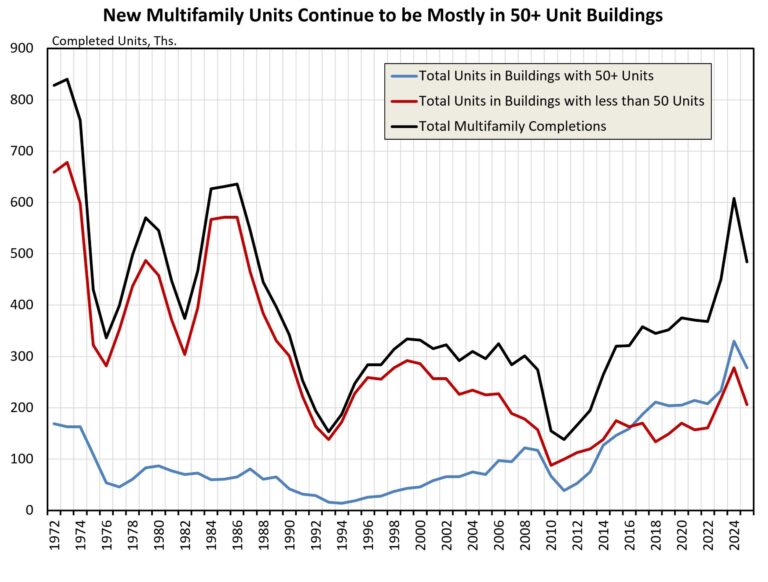
Interested in learning more about today’s sponsors or becoming a BiggerPockets partner yourself? Email [email protected].


Source link


You’ve read the books. You’ve listened to the podcasts. But you still don’t feel “ready” to invest in real estate. You’re not alone! This is one of the most common rookie struggles, and today, we’re showing you how to break free from analysis paralysis and finally get in the game!

Welcome to another Rookie Reply! We’re back with three questions from the BiggerPockets Forums that, together, map the whole path from inaction to actually closing on your first deal. An experienced property manager wants to buy their own rental property but doesn’t know where to start, while another investor needs help analyzing a real estate market for their first house hack. Plus, we’re settling one of the oldest debates in real estate: appreciation or cash flow? 

If you’ve been circling your first deal for months (or years) or looking to train up on analyzing rental properties, this episode is the push you’ve been waiting for. Hit play and let’s get you off the sidelines!

Ashley Kehr:
You’ve read the books, you’ve listened to a couple hundred episodes of this show. You’ve run so many deals through the calculator that you see cap rates when you close your eyes, and you still own zero rental properties.

Tony Robinson:
Today we’re pulling three real questions from the BiggerPockets forums, all from rookies stuck in that exact gap. And together they map the whole path from frozen second analysis paralysis to actually closing on your first.

Ashley Kehr:
This is the Real Estate Rookie Podcast. I’m Ashley Care.

Tony Robinson:
And I’m Tony J. Robinson. And with that, let’s jump into today’s first question. So the question says, “I’ve been working in real estate as a property manager for quite some time, close to a decade. I want to pull the trigger and finally acquire some rentals of my own. I know enough about managing real estate. I’m just not as experienced or well practiced at deal analysis and market analysis. That’s a muscle I’ve not really had to use much thus far. What do you recommend that I do to really train up on market and deal analysis?” Another question might be in hindsight for you, when did you know you were ready? Or how would you advise someone when they’re looking to get started? If you were coaching someone who was starting out, how would you as the coach know that they are ready to actually analyze and acquire their own deal?
What skills should that person have? Is it just a matter of simulating, analyzing deals, or is there a set of criteria a person should meet for them to quote, “Know enough?” This is a great question. And partially because Ash, I think it mimics your own kind of genesis as a real estate investor. But second, because I think there’s a lot of rookie investors who are asking the same question of when am I ready? And I’ll give my context first just on when am I ready? How do I know if I’m ready to actually buy the deal? I think first, there are logistical questions you have to answer. Do you have the capital that’s necessary or at least access to the capital via partnerships, other people’s money, whatever it may be, but do you have the capital that’s required to actually purchase the deal? If you can cover a down payment, holding costs, funding your reserves, if you’re doing a short-term rental, mid-term rental furnishing, setting up, whatever it may be, if you’re flipping, covering your holding costs, if you have the capital, that is one gate.
The other gate is, can you get approved for a mortgage? If you have already gotten pre-approved and lender says, hey, you can spend a million bucks or half a million, whatever it is. If you’ve gotten pre-approved and you know that you can actually get a mortgage, that’s the second gate. So logistically, those are the two big things that I would say make sure that those things actually are in place. Aside from that, getting to the point of quote unquote knowing enough. I think if you’re listening to podcasts and you’re listening to me and Ashley talk, you’re listening to our guests speak, and as folks are kind of sharing their stories or talking about their strategies, you’re able to kind of nod your head and say, “I’ve heard that before. I know that. Yeah, I’ve seen that before.” If 80 to 90% of what we’re talking about, you’ve probably heard already on a different podcast, read a different book, or seen a different Facebook group, then there’s a good chance that from a knowledge perspective, you’ve kind of reached that point of being able to actually jump into your first deal.
But if I say things like cash on cash return or reserves or principal interest taxes and insurance, and you’re not sure what those terms mean, well, then you’ve probably still got some foundational things you need to go knock out. But if you’re listening and you’re absorbing and most of it sounds familiar, that is typically the sound that you’ve listened enough, you’ve learned enough, and you’ve got to transition into action.

Ashley Kehr:
So I actually started out as a property manager and I had no sense of real estate investing. I didn’t even know I was being hired to be a property manager. I thought I was being an assistant. So it definitely was a big transition for me and a big shift. So I saw what this investor was doing. And while you’re working in property management, you actually have access to so much and you already have so much knowledge and experience ahead of anyone else because you’re around the day-to-day, which is a big deal. Even though you’re not the investor yourself, you’re actually seeing what happens, the boots on the ground, the day-to-day. So making that transition, just think about how you are already a step ahead of a lot of other people who have never ever collected rent, have never ever seen a lease agreement, have never went through an eviction, have never even walked an apartment before.
So start thinking about that and all of the information that you already have and how you’re already one step ahead of everyone else that doesn’t have that knowledge, doesn’t have that insight. One thing that was a really big deal for me, and I don’t know if this would work in your capacity, but I also had a lot of resources and people in my network because of where I was working. So the first loan I ever ended up getting on a property, I got it from the bank that I worked with for the investor that I was working for when I would refinance his deals or do purchase loans for his deals that he was doing. I already had that established relationship talking to that bank from doing his deals that they already knew who I was. They already knew I was on top of things.
They already knew I knew what information to send and that everything was accurate and that I knew how to manage those properties. So why wouldn’t I know how to manage my own properties? So just think about how you have an advantage and use that as an opportunity to get your first deal as an investor. Okay. So say you decide you are ready. The very next thing that freezes people is one word. After the break, a soon-to-be veteran with a VA loan in a serious case of analysis paralysis ask how a rookie picks a market.
All right, welcome back. Our second question comes from Silas in the BiggerPockets Forums. This question is, “I’m almost about to get out of the military and I’m looking forward to start house hacking with my VA loan. I’ve been analyzing different markets and I think it’s causing me to go into analysis paralysis. I’m very worried about getting a bad deal that I won’t be able to get out of for one year. What’s a good multifamily market or state for a rookie investor?” Okay, great questions and serious concerns. So looking at different markets, that is one of the hardest decisions I think to make is to deciding on what market. For me, it was easy. I didn’t even know you could invest anywhere else. I just though you had to live near your rentals, and that’s the only place I looked starting out. Tony was different. Tony, you went almost all the way across the country to invest, but you did have your mom in that area at the time.
So you still had somewhat relation. And I think that’s a great starting point of looking at markets where you have some kind of advantage, whether that be an agent, a boots on the ground person, or maybe you’ve lived in the area before, so you have some knowledge of the market. Second thing, after you have looked at those markets and compiled your list, the next list is going to look at what do you want to get out of real estate investing? What kind of strategy do you want to do? And what kind of asset class do you want to invest in? And then go on social media, go in BiggerPockets forums, go over and see where other people are doing the exact same thing that you want to do and pull those markets and make a list of them. And just because these markets work for these people doesn’t mean they’re going to work for you.
This is just a starting point. Okay? Then you’re going to take those two a list and compare them. Are there any of those that actually overlap at all? And then you’re going to narrow down your list. Then you’re going to go ahead and start doing your market analysis on the ones you end up with, which ones look like good markets. So if you go to biggerpockets.com/marketfinder, there’s actually a tool on there where you can go in and you can get all the data. Also, all of your AI tools, you can go ahead and get information. It really does cut down a lot on market analysis, but make sure you are fact checking and verifying. There are still really good county websites. I actually really like to use Bright Investor and I think it’s Neighborhood Scout. And those are two websites that have a lot of data for investors to go in and really hone in on a zip code, a specific neighborhood even, and telling you what the different data is for that specific area too.
I definitely have noticed some errors with AI, like pulling data and things like that for markets where it’s old, it’s not accurate. It was pulled from some kind of headline or report that had no data statistics or facts actually behind it. So be very careful still when using AI. Make sure you’re still fact checking and pulling reputable websites for your data too.

Tony Robinson:
All great points, Asha. I think the only other thing I’d add, and this is more like a strategic or maybe mindset or theoretical level, but for all the rookies that are listening, there are 20,000 cities in the United States. It is impossible to, I think, uncover all of the absolute best cities for you to invest into because the truth is that there aren’t five or 10 best markets for you to invest into. There were 500 or 1000 or 2000 markets that would make a lot of sense for you to invest into. So I don’t think the goal should be, how do I uncover that Goldilocks city that is the absolute best one for Tony to invest into or Ashley to invest into? The goal is simply to find a city that matches and meets my specific investment criteria. If I’m an investor who’s really focused on long-term appreciation, well then I need to go make sure that I find a market that gives me the ability to.
A market that I can afford to buy in, that still gives me long-term appreciation. If my focus is cashflow and a purchase price of 300K or less, well, then I need to go find markets that allow me to cash flow really well at a 300K price point or less. So it’s your goal to become the harness or the guardrails for the type of market you invest into. And once you find one or two cities that match with your investment criteria, stop the search. Because I think that’s where so many people get stuck is they find cities that work, but then like, well, what if there’s another city? What if there’s a better city? What if there’s another city? What if there’s another city? And that’s how you end up spinning your wheels. So you can build. And again, a lot of people start with familiarity or proximity when they think about buying markets.
What are cities that I know or places that I live? And that’s where they start, and that’s fine. And if those markets work, by all means, go invest there. But the markets that do check those boxes that you know or that you live close to, if they don’t support your investment goals, then go look anywhere else. You can build that familiarity by talking to an agent that knows that market really well. You can build that familiarity by booking a trip and spending a few days out there and driving around and talking to property managers and talking to contractors, making trips out there, being friends and making relationships with other investors in that market. You can build familiarity. So getting off my pedestal, the point here is as long as the market matches and supports your investment goals, that should be the ultimate trigger or deciding factor of whether or not you invest in that specific city.
All right guys, we’re going to take a quick break while we’re gone. If you’re not yet subscribed to our YouTube channel, go check us out there. You can search @realestaterookie and you guys can hang out with us on YouTube as well as on audio. We’ll be right back after a quick word from our show sponsors. All right guys, welcome back. We are here with our final question. And our final question today says, Zillow just reported a record 242 cities now have starter homes going for $1 million or more. Meanwhile, the typical starter home nationwide is still under 200K. The gap between expensive markets at appreciate and cheap markets at cashflow has never been wider, which makes right now a perfect time to settle the oldest argument in real estate. So here it is. If you were buying rental number one today and could only optimize for one thing, would you pick A, the pricey appreciation market with thin or potentially negative cash flow, but you’re betting on long-term equity and rent growth?
Or B, the affordable cashflow market, money in your pocket every month, slower appreciation, and easier to sleep at night? No quote unquote, it depends allowed. Pick a side and tell me why. So not necessarily a question from a rookie, but just one, I guess we’re kind of posing to the audience. And if you’re watching on YouTube, I’d love to get your take down below as well in the comments. I’ll tell you how I would approach this if I were a new investor. If I were starting today and I had to make this decision, here are the things that I would focus on. Number one is why am I investing?
If I’m a high income earning W-2 employee, I generally enjoy what I do and I’m fine working there for the next 20 years, then I’m probably not super concerned with cashflow today. I’m more so concerned about can I get the tax benefits associated with investing in real estate? Can I get the long-term appreciation? And when I do plan to retire in 20 years, can I have a really nice nest egg of properties that are close to being paid off that I can then use to kind of fund my retirement? If I’m someone who works a job where maybe I wouldn’t consider myself high income earning, and maybe I’m not necessarily thrilled with that job and I want to go find alternative means of income, then I’m probably focusing more so on cashflow. So I think the answer to that question really depends on where you at in your life, what are your goals, and what are you trying to accomplish through real estate?
So the answer I think is very much specific to the individual person who’s answering that question.

Ashley Kehr:
For me, I’m going with B. I am going with go for cashflow, not appreciation as your first investment. Even if you have a high income W-2 and you can afford to cover a loss every month. I mean, I really do look at it as people put money into the stock market, they’re taking money every month and it’s just sitting there. A lot of times you’re not seeing an immediate dividend paid out to you every month, like you’re seeing like cashflow. So it is very common to actually invest in something and not actually see immediate gratification of cashflow. But I personally think that you should choose option B. You should go with an affordable cashflow market, money in your pocket every month. You do have slower appreciation, but you are learning how to run a business. Okay? So maybe you run the numbers inaccurately and you’re negative a lot more cashflow.
Maybe on day one, you need a new HVAC system and now you’re really negative cashflow. With all of these happening, if you have cashflow coming in, you can help build up your reserves again if you had that big HVAC you needed to pay for. So I think the fact that you’re learning something new, I like to have less risk. So I’m going with that option B. But one mistake I made that I would do differently is even though I did find the affordable cashflow markets, I went for really low affordable properties. I went for $20,000 duplexes where I could pull money off a line of credit. I could do seller financing. I could get private money for. What I would’ve done differently is I would’ve went a little more middle of the road. So I wouldn’t have went for a super high appreciating, really nice property, really nice neighborhood.
But I definitely wouldn’t have went into these cash flowing properties that saw very little appreciation except for timing the market perfectly and selling during COVID. But if I were to do it again, I would’ve saved more money and I would’ve waited to get into higher priced properties making my 20% down payment or even if it was a 10% down payment, I was scared to invest at a higher level of property. And I think that’s where I made my mistake where when I finally did that after several years investing, I’m getting great cashflow and great appreciation from kind of those middle of the road properties. And I wish I would’ve slowly built instead of just stacking up all of these $20,000 duplexes in a short period of time. So that’s what I would have done differently, is not as bought as money and saved up to actually buy these properties that actually became more valuable.
Well, thank you guys so much for joining us today. I’m Ashley, he’s Tony, and we’ll see you guys on the next episode, Real Estate Rookie. If you’re not already, make sure you are subscribed to our YouTube channel @realestaterookie and make sure to follow us along at BiggerPockets or at Tony J. Robinson or at Wealth Firm Rentals. We’ll see you guys next time. Bye


Help us reach new listeners on iTunes by leaving us a rating and review! It takes just 30 seconds and instructions can be found here. Thanks! We really appreciate it!
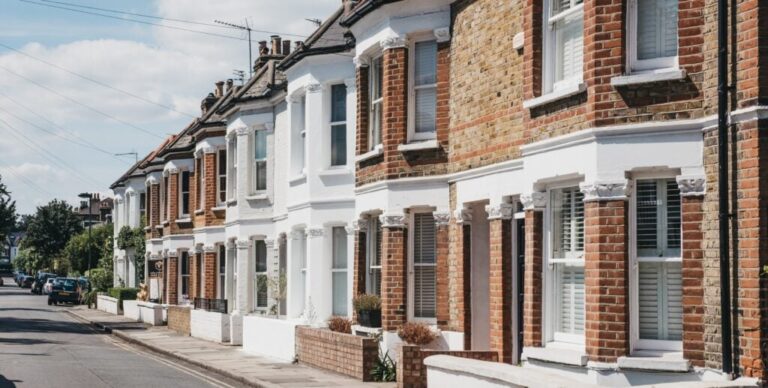
Interested in learning more about today’s sponsors or becoming a BiggerPockets partner yourself? Email [email protected].


Source link


This Boston couple knew the moment they purchased this property on Rhode Island’s Narragansett Bay that it would become the family’s permanent summer retreat. After spending a few years enjoying the location with their two college-aged children, they decided to remodel the 25-year-old house to better suit their lifestyle and aesthetic. “She’s from California and wanted the indoor-outdoor lifestyle she had there,” interior designer Trevor Fulmer says. “They wanted to blend traditional New England and more modern Southern California styles.”

A new pool, spa, outdoor kitchen, dining area and lounge patio give the family plenty of comfortable gathering space outside, while large new sliding glass doors and a pass-through kitchen window create seamless transitions between indoors and out. Inside, Fulmer made cosmetic updates throughout the home, layering distinctive textures into the warm neutral palette his clients desired. The result is an inviting coastal retreat where nothing feels too precious and the homeowners can relax with family and friends.


This article was originally published by a www.houzz.com . Read the Original article here. .

Pin It