This article was originally published by a www.houzz.com . Read the Original article here. .

This article was originally published by a www.houzz.com . Read the Original article here. .
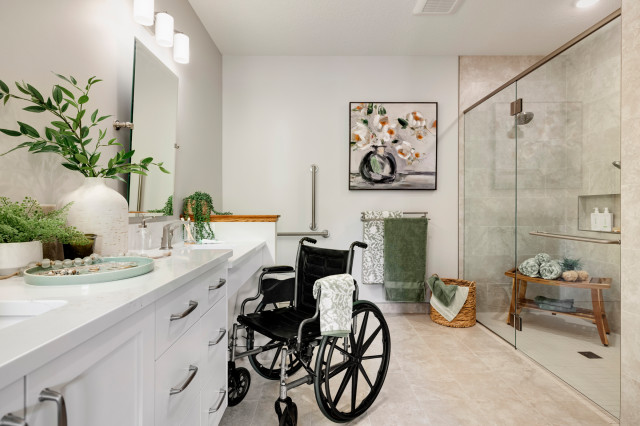
Designer Tammy Battistessa of Ellaire Kitchen & Bath Design agrees. “Whenever possible, I include aging-in-place and universal design features in every project, as I believe many of these features benefit clients of all ages and abilities, in addition to allowing a client to safely remain in their home for a longer period of time,” she says.
Creating a home that can adapt also makes it more sustainable. “Aging in place is a key element to making legacy homes that can evolve over time,” architect Tim Barber says. With all that in mind, we asked more than 50 home design and construction professionals to share the aging-in-place features they always recommend. Here are the 10 that came up again and again.
This article was originally published by a www.houzz.com . Read the Original article here. .
Once you have your plan for the day, it’s a good idea to work out an effective timeline. “I block out time in meaningful chunks, so I know I can achieve something and make progress in whatever area I’m working on at that time,” Higgins says.
Take into consideration factors that influence the best time for each task. This could be the need to work around the schedules of clients or contractors, but it could also be influenced by how your productivity ebbs and flows throughout the day. If you’re a morning person, perhaps schedule tasks that require concentration earlier on, for example.
“I find using an online [calendar] keeps me organized, not just for appointments, but tasks too,” interior designer Ann Cope says. In addition to setting aside blocks of time to work on your business, she also recommends scheduling breaks away from the desk.
6 Proven Time Management Tips for Home Professionals