The halls of the Maison & Objet 2026 trade fair, held Jan. 15-19 at the Paris Nord Villepinte exhibition center, were ablaze with interior inspiration and new product launches. But an area that stood out for its creativity was the Eco Responsible Design Collective. Bringing together a curated group of brands that have developed sustainable material solutions without compromising on aesthetics, the bustling booths drew much attention.
Throughout the show, messages of lessening environmental impact with sustainable materials, circular manufacturing practices and a more mindful approach to design were seen in interior architecture, decoration and furniture. Here, we spotlight nine of the companies championing an ecological approach and out-of-the-box thinking to transform waste into beautiful pieces.
2. Apples for Architecture
Ever wondered what happens to apple waste after apples are pressed to make juice and cider? Neither did we — until we discovered Adaozañ. The brand takes vast amounts of apple pomace — a wet, acidic mass made up of apple flesh, skin and seed waste — from the cider industry in Brittany and turns it into a 100% natural, biodegradable construction material.
With an appearance similar to cork or chipboard, it can be worked like wood and drilled, screwed or assembled using carpentry methods. It can also be laser-cut, CNC-engraved or printed with text or a logo. Once moisture-treated, it is resistant to humidity.
3. Toys Reimagined
Pierreplume specializes in creating acoustic materials for architecture and interiors — all made from recycled fibers. With a mission to encourage a more environmentally friendly approach to design, the brand’s latest launch is the Plush line. It is the first recycling channel for end-of-line plush toys, turning them into wall coverings that are aesthetically pleasing and functional.
According to the brand, more than 5,000 tons of plush toys are thrown away each year in France, where the team is based. They are collected, sorted by color, hard points removed, stuffing and skins separated and then frayed and finely blended to form five usable materials in shades of brown and pink.
6 Interior Design Trends From Maison & Objet 2026
4. Sustainable Surfaces
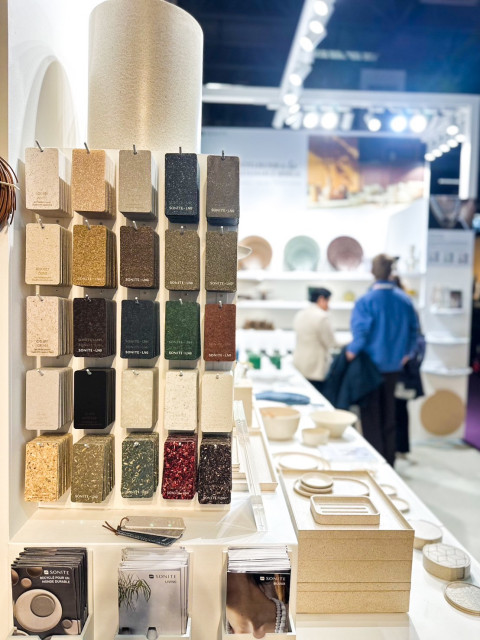
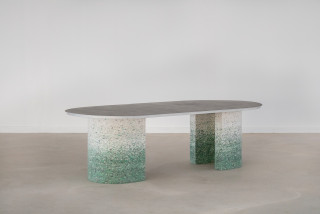
Based in Thailand, Sonite champions a circular view to homeware production. From tableware and furniture to tiles and countertops, the brand makes its products using upcycled materials such as hemp, coconut fibers, rice husk, button scrap, coffee grounds, eggshell and PET bottles.
For example, the Scapa line is an innovative material that resembles reconstituted stone made from used thermoset plastic, while Husk is made of rice husks discarded as part of the milling process in agriculture.
See why you should hire a professional who uses Houzz Pro software
5. Walls for Well-Being
The trend toward a healthy home continues to grow. In Paris, Vescom showcased its Purefin line of wallcoverings, which feature low-emission materials designed for better air quality. The olefin-based product is free of PVC, plasticizers, chlorine, heavy metals, formaldehyde, halogenated flame retardants and phthalates, resulting in lower VOC levels inside the home.
The material comes in two embossed designs that have a natural, chalky look. Concreed is more rough and rugged and Lynn has a linen-like appearance inspired by traditional plant-based weaving materials.
25 Home Design Trends Defining How We’ll Live in 2026
6. From the Sea
Working with seaweed harvesters less than 30 miles from its studio in North Finistère, France, Gwëmon’s new material is made from more than 90% brown algae and contains no petroleum-based glues or resins. It can be used for a variety of applications, including cladding, furniture and accessories, and features a distinctive flecked earthy appearance true to its raw state.
The solid material is made by grinding the seaweed into flakes, forming it with a natural binder and molding it into the desired shape before air drying for 14 days at a low temperature to stiffen. Once dry, it’s fashioned into products such as door handles and tabletops.
7. A New View
When eyewear is discarded, what happens to the frames? Les Matériaux Urbains has decided to turn them into lighting and other stylish pieces.
This lamp at the Eco Responsible Design Collective has a tortoiseshell look reminiscent of eyewear in the same style — an homage to a previous life.
10 Lighting Trends That Lit Up Maison & Objet 2026
8. Reclaimed Timber
From Canada to Europe, Belgian brand Atmosphere & Bois has launched a collection of furniture made of wood recovered from Canadian barns and old wagon beds, giving new life to a material rich in heritage.
Once sourced, the planks are treated and assembled into new pieces such as tables, seating and storage using traditional carpentry methods. The brand also offers wall cladding and custom designs, including kitchen cabinets.
Check out our guide to get started on your home project
9. Fashion Into Art
Displayed as part of the Ukrainian Neo-Folklore installation at the show, Iryna Konakova’s brand Levada showed how used clothes can become pieces of art when recycled.
Iryna handcrafts textile art using 100% pre-owned clothing, with each vibrant piece reflecting the multicolored traditional ornaments and embroideries typical of Ukraine’s Poltava region, where she was born and still works.
More on Houzz
Read more stories
Browse photos for ideas
Find a home professional
This article was originally published by a www.houzz.com . Read the Original article here. .

1. Fabric Bricks
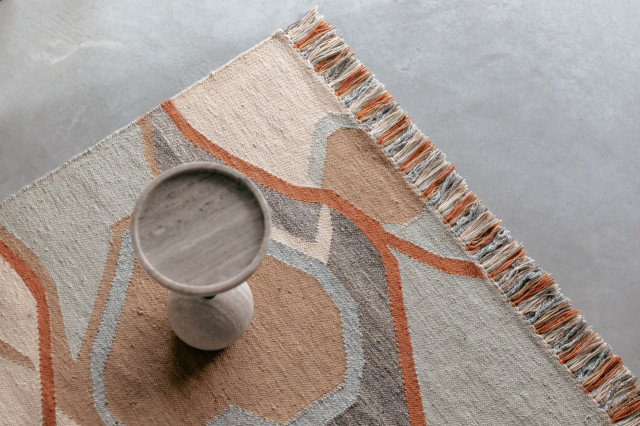
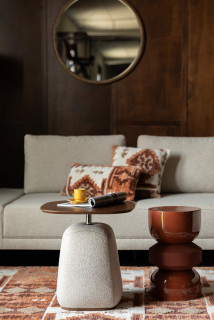
Bold, colorful and no doubt a design statement, the furniture designed by Clarisse Merlet, architect and founder of FabBrick, is made by stacking bricks created from repurposed textiles. Unwanted fabric remnants are collected primarily from the brand’s clients in France, ensuring traceability and coherence throughout the process, and transformed into products for the home.
Soft to the touch, the material is juxtaposed with sculptural metal to form a tabletop or a chair, and wood and glass can also feature. The bricks can also be used as a wall covering. There are nine colors and three patterns, and custom shades can be developed.
Find an interior designer on Houzz