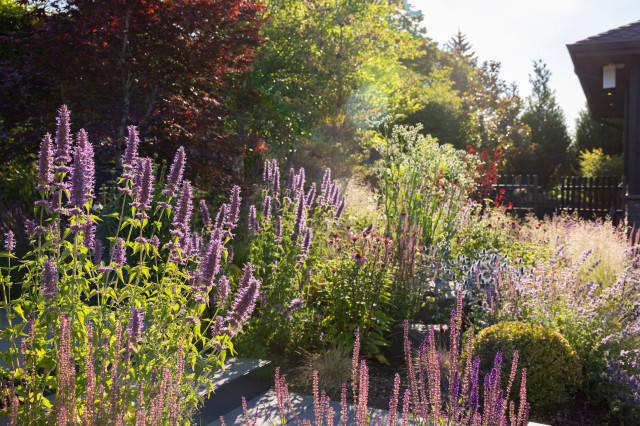

Freezing temperatures can cause brown, crispy growth on plants that are susceptible to frost damage. Frost damage can occur when temperatures dip to or below the freezing point, 32 degrees Fahrenheit (0 degrees Celsius). And both cold-hardy plants and tenderer plants that do best in warmer temperatures can, depending on the circumstances, be affected by frost damage.
Growth damaged by frost can look ugly, and your first impulse may be to prune it — but don’t. Believe it or not, you can do more damage if you remove the damaged growth too soon. In fact, those ugly brown leaves actually help to protect the interior of the plant from future freezes. So, let’s dive into frost damage — how it affects our plants and, more important, how and when to prune frost-damaged growth.
This article was originally published by a www.houzz.com . Read the Original article here. .

Pruning when trees are stripped of their leaves allows you to see their branch structure more clearly, making it easier to determine where to prune and enabling the pruning cuts to heal more quickly with the flush of spring growth. The tree is also best able to replace branches lost to pruning in spring, when the tree’s resources are dedicated to growth.
Check out our guide to get started on your home project