
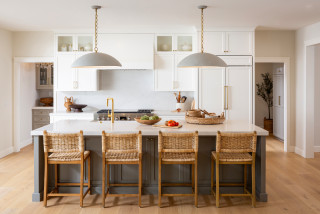
We all have friends or family members who live in tidy, well-kept homes despite having full, busy lives. No matter what the occasion, nothing appears to be out of place. You might wonder how seemingly ordinary people with jobs, partners, children and pets can maintain a tranquil, clutter-free environment.
As a professional organizer, I work with people who have a wide variety of personalities, and I see closets, drawers, cabinets, basements, garages and even spaces under beds. Through my intimate observations, I have learned the secrets of maintaining an orderly home, and in this article I share eight with you.
My clients who successfully maintain organized homes all make decisions quickly. They are good about getting rid of items that they no longer use, and they try to let go of things that they might use … someday. They let go of clothes that no longer fit or are excessively worn. They get rid of expensive clothes that might come back in style someday, because they understand that even if a style does come back, it is usually slightly different. And yes, these clients may need to hire a professional organizer to manage the decluttering and organizing process, but they quickly take suggestions to heart.
If making decisions quickly does not come naturally to you, try to focus on your goal of living in a clutter-free home. Create a Houzz ideabook and save photos of rooms that inspire you. You may find that the more you practice letting go of things, the easier it gets.
Organized people do not let donation and disposal bags linger in their closet, hallway, or garage. Instead, they get these items out of the house in a timely manner. They take bags to a donation drop-off location the same day the bags are filled (confirming first that the site is open). If items are too big for their cars, they schedule a charity pickup as soon as possible. For excess trash, they contact their local waste management company or hauling service for removal.
My most organized clients do not worry about finding the perfect home for their donations or spend excess time trying to offload unwanted items on family members or friends. They move things quickly out of the house so they have a sense of accomplishment that fuels further progress.
If you have a problem moving donation items or trash bags out of your house, try to make it part of the decluttering process. I recommend not finishing the day without deciding how items to be donated and discarded will leave your house.
Owning less stuff helps keep a home from becoming cluttered. Many organized people rent or buy music, movies and books from a cloud-based service and store them on electronic devices. They also tend to save recipes to their hard drives instead of owning a multitude of cookbooks. They take pictures of their favorite recipes and search for new ones online.
Of course, electronic storage doesn’t work for everyone. Some of us find turning the paper pages of a good book a total pleasure — one not quite matched by reading a novel on a cold electronic device. Others have extensive vinyl record collections that bring great enjoyment. Choose the suggestions that work for you, and don’t feel any pressure to get rid of something you truly love.
See why you should hire a professional who uses Houzz Pro software
Organized people cull their wardrobes regularly. I recommend that you follow their lead and at the end of each season look at your apparel and get rid of anything you haven’t worn. Give yourself permission to toss stained or torn items, to donate ill-fitting or uncomfortable ones, and even to let go of items you simply don’t wear because they are no longer your favorites.
Many people demote clothing to being “house clothing” because they don’t want to make any real decisions. As a result, they end up with a large quantity of clothing they wear only when relaxing at home. I recommend you try to avoid this delay tactic. Instead, allow yourself one to three house outfits and donate the rest.
Also, if you want to keep sentimental clothing such as college sweatshirts, old sports uniforms or concert T-shirts that you really don’t wear, consider removing them from your primary clothing storage spaces and placing them in an attic, a basement or at the back of your closet. Alternatively, you might consider taking photos of sentimental clothing and then letting them go.
My clients who are organized get rid of old food regularly. To adopt this habit, I recommend you have a regular time — perhaps once a week — when you clean out your fridge and toss wilted vegetables, spoiled fruit and old leftovers. Also, notice what you toss. If you didn’t get around to eating something before it went bad, I recommend you don’t buy that item again for a while, as it may not be top of mind for you to consume.
I also recommend going through your pantry every six months and discarding any stale or expired food. If you have unopened packages or cans of food that you know you won’t eat, consider donating them to a local food bank.
Organized people are thoughtful about what they bring into their homes. To be like them, I recommend you consider your storage situation before making a purchase. Ask yourself, “Do I have room?” You might also consider getting rid of one thing for every item you buy. And if you do not have enough space to store large-quantity items from warehouse stores, simply don’t buy them.
Another good tip is to look at what you already own before you shop so that you don’t buy duplicates. For instance, I often see clients with duplicate spices, condiments and sunscreens. Further, try to avoid bringing home free makeup or laundry samples or complimentary notepads and pens, which tend to clutter up drawers. Before you buy any new small appliance, consider whether you have the countertop space for it. Also, try to avoid buying small appliances or gadgets that have only a single purpose, like strawberry hullers. Instead, collect items that can be used for multiple purposes — like paring knives, which you can also use to hull strawberries.
Check out our guide to get started on your home project
Many of my organized clients outsource their yard work or housecleaning so they can focus on keeping their home decluttered and organized. They also aren’t afraid to hire a professional home organizer to help them get a handle on the clutter and dispose of unwanted items in the first place. A follow-up appointment every six months with an organizer can help them keep clutter at bay.
I realize that many people do not have the budget to hire outside help, and of course I wouldn’t advocate spending beyond one’s means. However, there are people who do have the financial resources but feel guilty about outsourcing housework or yardwork because they feel they should do it all. If you fall into this category, consider the stress reduction of bringing a housecleaner in every other week. The cost may even be less than a therapy session and may help you feel a sense of calm when you come home after a long day.
My most organized clients put things away after they have used them — and in fact, putting things away is the best secret for keeping a house tidy.
But it’s also true that many of my clients struggle with putting things away. If you can’t seem to keep up throughout the day or in the evening after you return home from work, consider putting everything away at night before you go to bed. That way, you’ll wake up to a tidier house, and clutter won’t become overwhelming. To help you develop this habit, I recommend reading How to Form New Habits That Keep Your Home Clutter-Free.
Still, your home should be a place where you can relax and recharge, and many of us cannot do that with clutter everywhere. So do your best to make your home comfortable without becoming a slave to organization. When your home is reasonably organized, be sure to take time to enjoy it.
Your turn: How do you stay organized at home? Share your tips and advice in the Comments.
More on Houzz
Read more stories
Browse photos for ideas
Find home professionals
This article was originally published by a www.houzz.com . Read the Original article here. .
Find a home professional on Houzz