This article was originally published by a www.houzz.com . Read the Original article here. .
2. Merging of Disciplines
A celebration of flexible approaches to design was apparent at the festival this year, with designers mixing mediums and fields of craft.
Ed Ng and Terence Ngan of Tai Ping Carpets, for example, have harnessed the crafts of knitting and crochet to create a beautiful new line of cable knit rugs. The cozy rugs take inspiration from the mountainous landscape surrounding the pair’s countryside home near Tokyo, incorporating needlework and crochet to mirror the undulating scenery.
“I have always been fascinated with craft, and knitting in particular. Ever since I was a child, knitting has been associated with a genuine expression of warmth and caring,” Ng says. “We liked the idea of creating a sense of down-to-earth, relaxed luxury that also embraces values of sustainability.”
This article was originally published by a www.houzz.com . Read the Original article here. .
3. Combining of Past and Future
While technologies such as 3D printing and AI open the door to new possibilities in product design, there remains the question of how we can also retain traditional craftsmanship. PR agency Informare hosted a discussion, The Heritage and Futurism of Design, at Soho Lighthouse to look into the issue.
A panel of design experts talked about how contemporary design is influenced by historical principles and how we can find a balance between preserving traditional skills and embracing cutting-edge technologies.
An exhibition in collaboration with the British Council, Jhuley Lal: Crafting the Contemporary, fused the work of emerging UK and Pakistani designers with local craftspeople from Khairpur, Shikarpur and Karachi to highlight how traditional skills and contemporary aesthetics can merge.
Meanwhile, in Chelsea’s Design District, visitors could take a look at Gaze Burvill’s Woodland seat, an outdoor bench made from a mix of old and new techniques. Complex parts have been manufactured using CNC machining, while the traditional skill of steam-bending has been used to finish off the product.
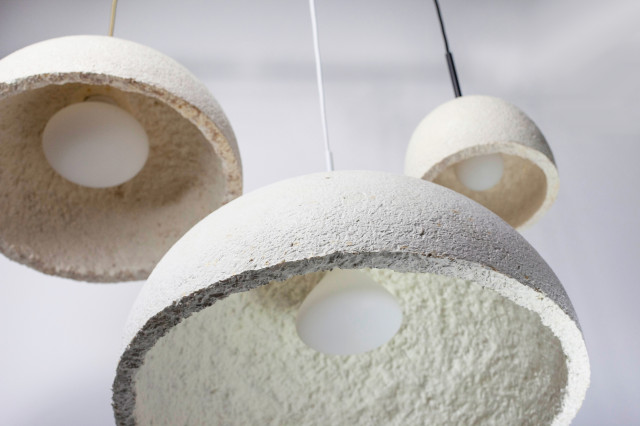
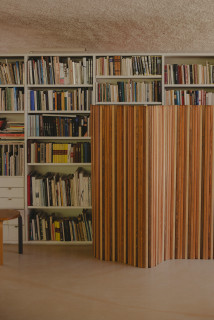
At the Material Matters exhibition, an example of this melding of old and new could be seen in Lewis Fleming’s furniture and lighting designs (pictured), which use a mix of Japanese craft and modern manufacturing techniques.
5 Big-Picture Design Trends Popular Right Now
This article was originally published by a www.houzz.com . Read the Original article here. .
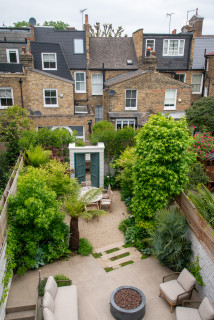
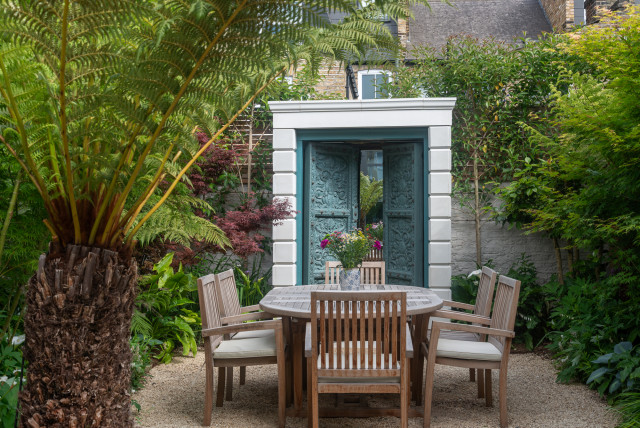
“Because it’s such a small space, the texture was incredibly important,” she says. “It’s all about the different greens and mix of shapes. The flowers come and go — they’re quite transient. Apart from an existing red rose and camellia, both of which I kept, the flowers are mostly white and surrounded by all these lush greens.” The sweet gum (Liquidambar sp.) on the right was existing; Boyle added a multistemmed one on the other side to match it, “so you frame that space,” she says.
“I planted quite heavily, but that was because we wanted to create this green haven,” she says. “I like to create a rhythm, so I have three [Japanese maples] in a triangle, and three Tasmanian tree ferns [Dicksonia antarctica, zones 9 to 10], which give a jungly feel and a lovely canopy while still allowing for stuff [to grow] underneath. Their trunks add nice texture, which is offset beautifully against the rest of the planting.” Boyle installed root barriers so the plants won’t spread to other yards.
See why you should hire a professional who uses Houzz Pro software