This article was originally published by a www.houzz.com . Read the Original article here. .
This article was originally published by a www.houzz.com . Read the Original article here. .
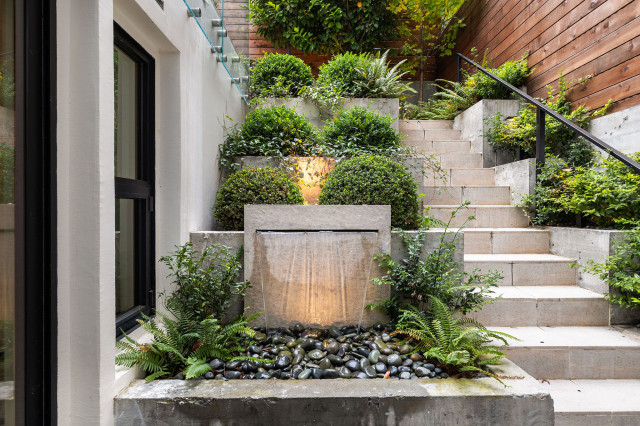
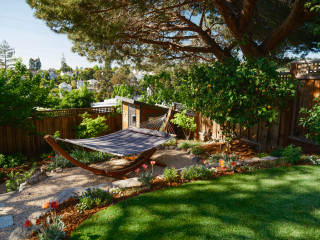
Integrating ways to promote wellness outdoors can stray into more aspirational projects, such as cold plunges and saunas (and this list will too). However, since not everyone can live like a full-time lifestyle guru, below are plenty of simple and inexpensive other ways your outdoor spaces can help improve your health. Check out these 12 ideas for promoting wellness through the landscape to see which ones are a good fit for your home.
This article was originally published by a www.houzz.com . Read the Original article here. .

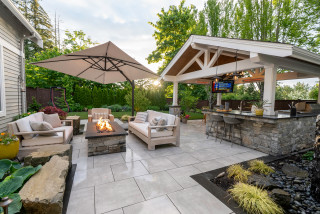
A few themes stand out in their advice: Umbrellas are hard to beat for instant shade and flexibility, pergolas and other structures deliver the most reliable coverage for outdoor living, and planting a shade tree is the best investment for natural shade.
This article was originally published by a www.houzz.com . Read the Original article here. .
(If you want to learn about other home pros, go to the bottom of this story for links to earlier stories in our “10 Times to Hire” series.)
This article was originally published by a www.houzz.com . Read the Original article here. .

Chicago is known for its brutally cold winters and hot, dry summers. “Just a few hours north and south of here is a very different climate,” says Jeff True.
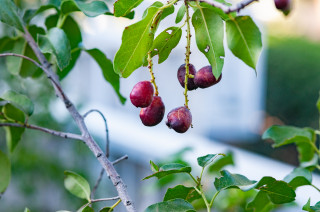
Turn to native hardwoods. True says that native hardwood trees can handle weather extremes and are often his starting points. These include several maples, such as red maple (Acer rubrum, zones 3 to 9), sugar maple (A. saccharum, zones 3 to 8; shown here), silver maple (A. saccharinum, zones 3 to 9) and Freeman’s maple (A. x. freemanii, zones 5 to 8).
Native white oak (Quercus alba, zones 3 to 9), which is the state tree of Illinois, is also a tried-and-true favorite, as are swamp white oak (Q. bicolor, zones 3 to 8), Chinquapin oak (Q. muehlenbergii, zones 5 to 7) and shagbark hickory (Carya ovata, zones 4 to 8). “I personally love Kentucky coffeetree (Gymnocladus dioicus, zones 3 to 8) and hackberry (Celtis occidentalis, zones 2 to 9),” True says.
He adds that the new elm varieties resistant to Dutch elm disease, such as Triumph elm (Ulmus ‘Morton Glossy’, zones 4 to 7), are fast-growing, allowing them to fill in spaces quickly.
8 Reasons to Plant a Great Tree
This article was originally published by a www.houzz.com . Read the Original article here. .
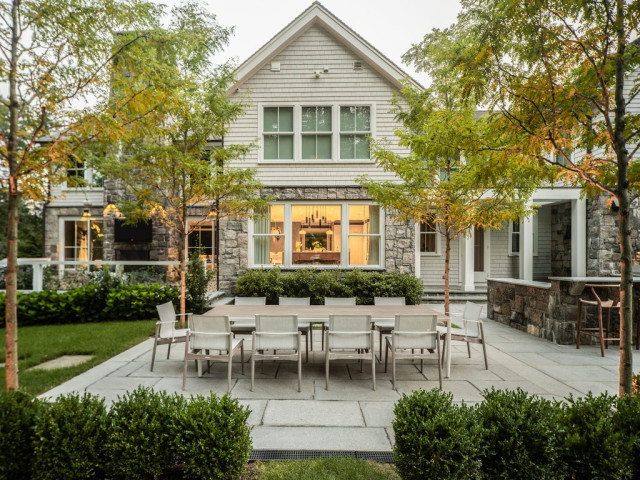
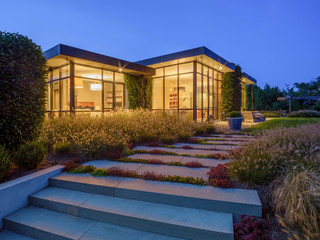
(If you want to learn about other home pros, go to the bottom of this story for links to other stories in our 10 Times to Hire series.)
This article was originally published by a www.houzz.com . Read the Original article here. .
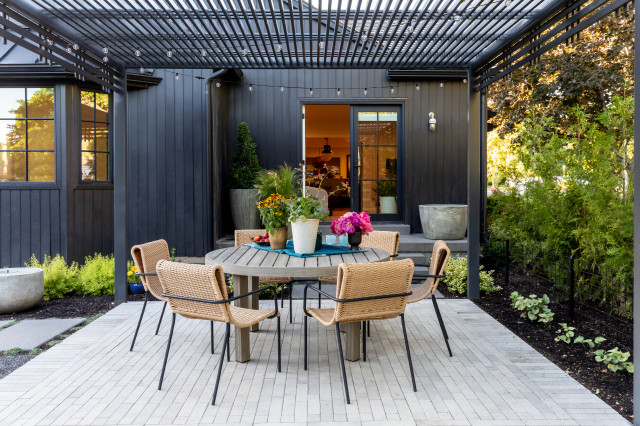
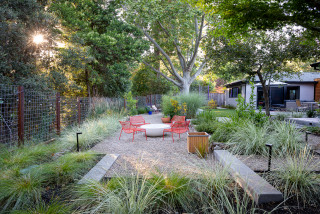
“Many clients understandably don’t want a high-maintenance [yard] and this seems to manifest in them asking for narrow flower beds, as these will require less work — right?” Reader says. “Actually, this is wrong.”
Solution: Use shrubs. “The best low-maintenance plants are shrubs,” Reader says. “They last many years, don’t require a lot of looking after and can deliver interesting structure, flowers, berries and autumn leaf color — and many of them are evergreen, so look good in winter too.
“The thing about shrubs, though, is many of them will get quite big,” he continues. “So if you put them in a narrow bed, you’ll fairly quickly be having to cut them back frequently, as they’ll overhang the lawn or paths. This destroys the beauty of their natural shape, creates woody holes in the foliage canopy and creates maintenance.
“By having a wider bed to start with, the shrubs can be gently pruned as they reach their mature size every three to five years and be kept looking beautiful,” he says.
This article was originally published by a www.houzz.com . Read the Original article here. .
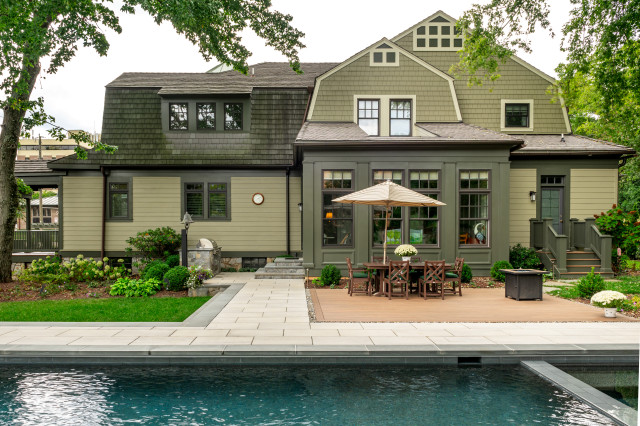
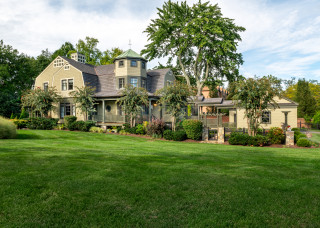
That list included adding a single-car garage, a breezeway to connect the house to their existing two-car garage, and new landscaping, fencing, gates and arbors; sprucing up their front porch; replacing all the trim and some of the siding and roofing on the house; and painting the home’s exterior. The result is a home that’s a little larger, has a better backyard to enjoy and feels all freshened up.
This article was originally published by a www.houzz.com . Read the Original article here. .
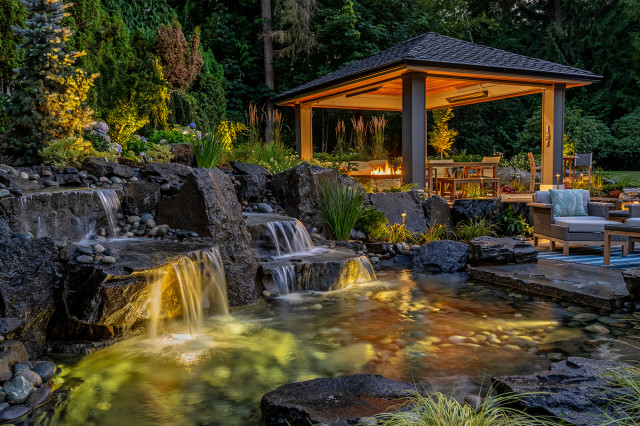
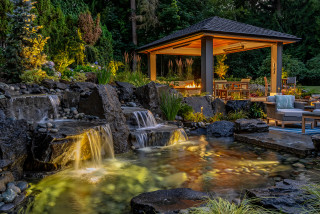
Bringing a fresh look to a historical home’s landscape while still maintaining some original charm means navigating a fine line between past and present.
Challenge: Designer Sara Yant of Twistleaf was tasked with reimagining outdoor spaces in the Historic District of Fredericksburg, Texas, including for a Queen Anne Victorian mansion, a carriage house, a five-unit barn conversion and three 1930s bungalows. “We needed to create a cohesive look that would complement the different architectural styles and prioritize an intuitive circulation between the spaces,” Yant says.
There were some hiccups along the way that impacted the original plan. A long-abandoned and crumbling drainage pipe beneath the mansion’s front yard was a safety risk. Stringent watering restrictions also were implemented for the Texas Hill Country during that time.
Solution: Yant replaced the fencing and gates with period-appropriate designs. She also updated the hardscape using a mix of concrete, bricks and decomposed granite to create paths and relaxing courtyards and retreats. Removing the crumbling pipe allowed her to reinforce the surrounding ground.
She finished the space with a mix of native and adapted plants that complement the architecture of the Queen Anne Victorian home. Black and blue sage and soft leaf yucca provide seasonal interest and attract butterflies and hummingbirds. American beautyberries (Callicarpa americana, USDA zones 6 to 10; find your zone), dwarf palmetto palms (Sabal minor, zones 7 to 10), aromatic aster (Symphyotrichum oblongifolium, zones 3 to 9) and inland sea oats (Chasmanthium latifolium, zones 3 to 8) define the restorative green retreat by the bungalows.
“We also reduced the amount of lawn in the original design and replaced several areas [including the space shown here], with Leavenworth’s sedge (Carex leavenworthii, zones 6 to 9) as a water-conscious solution,” Yant says.
This article was originally published by a www.houzz.com . Read the Original article here. .
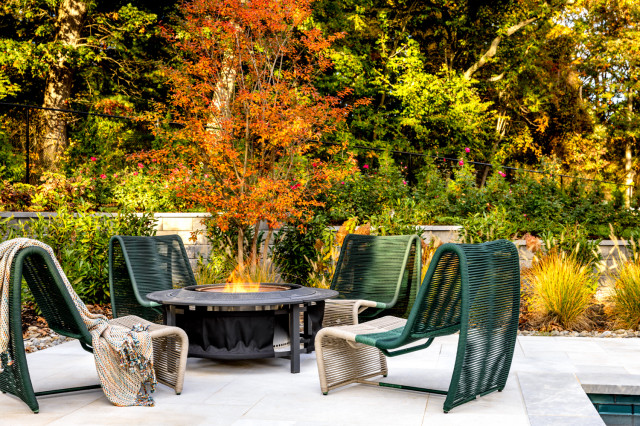
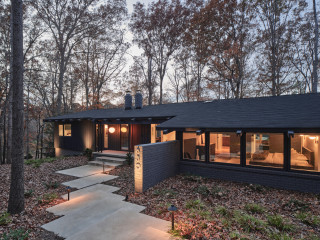
Some of these are fairly simple. Others might take more time and require help from professionals. If you’re looking at building projects, check first with local pros about availability and timelines, especially if cold weather will curtail further progress. You’ll also need to check local regulations and requirements for required permits, as they can vary widely for even small projects.
This article was originally published by a www.houzz.com . Read the Original article here. .
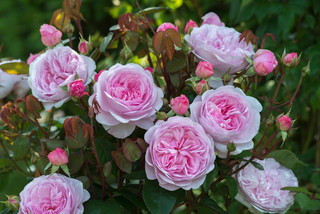
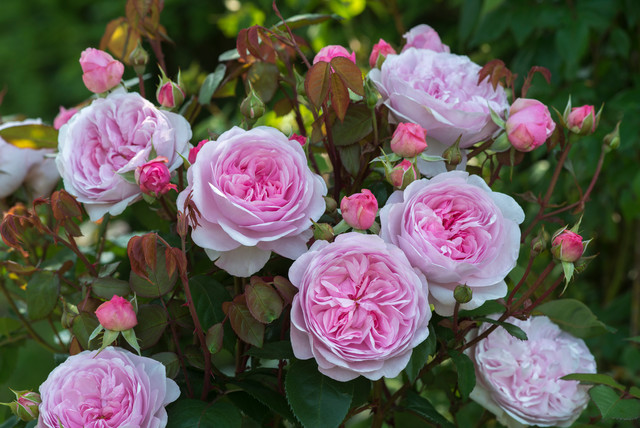
(Rosa ‘Strike It Rich’)
Loved by: Janie McCabe of M.J. McCabe Garden Design in Northford, Connecticut
Why this rose: “The color is an amazing golden amber with pink edges; [this rose also] is abundant with flowers in June, and will repeat bloom later in the season. The foliage is a dark green, and it is quite resistant to diseases,” McCabe says. “It has a nice spicy, rich fragrance, making it a lovely addition to the garden — great for cutting too.”
Special features: In addition to its stunning flowers, continuous bloom and distinct scent, ‘Strike It Rich’ is also considered to be naturally vigorous and disease resistant.
Growing tips: “When initially planting, I dig a very generous hole, adding an organic slow-release fertilizer along with green sand,” McCabe says. Once the rose is in the ground, McCabe surrounds it with plenty of compost and then waters it well with a seaweed-and-fish-emulsion fertilizer. “I continue to fertilize my roses with a diluted liquid seaweed-and-fish-emulsion solution about every two to three weeks,” she says.
Where it will grow: Hardy to minus 15 degrees Fahrenheit, or minus 26.1 degrees Celsius (zones 5 to 9)
Water requirement: Medium
Light requirement: Full sun
Mature size: 4 to 6 feet tall and 2 to 4 feet wide