The annual International Contemporary Furniture Fair, a global gathering of designers, manufacturers, architects and design enthusiasts, returned to New York City’s Javits Center on May 17-19 with ornamentation, tactile materials and expressive forms taking center stage. Throughout the trade show, furniture, lighting, accessories, wallcoverings, flooring and kitchen and bath products balanced vintage influences with playful silhouettes, softer textures and updated classic motifs. Below are the standout directions that emerged in new products at the 2026 ICFF.
Unform Studio’s new Penna chairs are designed, built and finished in Pennsylvania using locally sourced hardwoods. Inspired by tailored menswear, the UN17 armchair shown here combines white oak, blackened steel and leather in Oxblood.
7 Showstopping Lighting Trends for 2026
Curvy, wavy lines and crinkled forms appeared repeatedly at this year’s ICFF. The undulating silhouettes folded in on themselves and doubled back in complex, sculptural ways, showing up across furnishings, lighting and hardware alike.
Nitush & Aroosh’s Moro coffee table set calls to mind crumpled paper. Its sculptural stainless steel form features mirrored sides that emphasize the irregular surface while reflecting surrounding colors and textures.
7 Fresh Furniture Trends for 2026
Lo & Co.’s Lucia pull takes inspiration from the squiggled form of lasagna noodles. It’s part of the newly launched Al Dente collection created in collaboration with designer Tali Roth.
Another standout, Lawrence Technological University student Sofia Eddy’s Meander coffee table was designed to resemble a flowing river. The organic form earned Eddy recognition in ICFF’s Best of Schools exhibition.
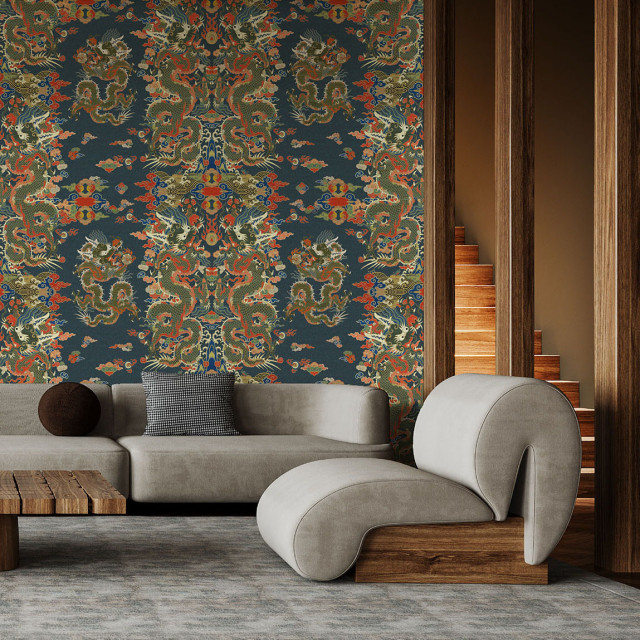
Brocade and chinoiserie patterns appeared in several new introductions, furthering the Art Deco influences seen throughout ICFF.
Kristi Bender and Wendy Schwartz of Cuff Studio, known for richly detailed interiors, showcased several new furniture introductions at ICFF, including the Fold lounge chair, ottoman and stool. Each paired sculptural forms with traditional upholstery from Scalamandre.
As traditional design aesthetics continue to regain popularity, so too do the layered, decorative details that define them. The once-maligned wallpaper border, for instance, a hallmark of 1980s and 1990s interiors, has reemerged in recent years, paving the way for similar detailing to appear in other forms as well.
Part of Alex DelBello’s rug collection for her design studio, DelBello, Sumac features a neutral field edged with vibrant sumac leaves. While the indented shape feels contemporary, the edging nods to the renewed interest in classic decorative details. DelBello says, “While some traditional elements are certainly coming back in design, I hope they aren’t too quickly labeled a trend, because in my opinion, the ones coming back are timeless, including borders.”
Grow House Grow showcased its Pilar tile, made from handmade cement with borders incorporated along both the perimeter and interior of the installation. Though abstract and graphic in pattern, the coloring and bordered application give the tiles a more traditional feel.
A noticeable thread of woven forms appeared repeatedly throughout the show. Whether used in seating, wallcoverings or rugs, braided materials became a structural and decorative element in many introductions. The applications ranged from refined and architectural to softer, more organic expressions, including Scott Group Studio’s Rista rug designed in collaboration with Mary Ratcliffe.
Innovative Sustainable Materials at Maison & Objet 2026
While many bath brands introduced compelling modern designs at this year’s show, others looked to the past. Brizo’s widespread wall-mount bridge faucet with side sprayer, part of the Faircroft kitchen collection, pairs a classic silhouette with contemporary technology, including touch-activated functionality.
25 Home Design Trends Defining How We’ll Live in 2026
Fireclay Tile also leaned into a more traditional bath aesthetic with the release of its Mosaic Pattern collection. The wide range of colors and shapes can be arranged in countless configurations, allowing the designs to reference historic tilework while still feeling current.
Reimagined Art Deco references surfaced repeatedly throughout the fair, from intricate inlays and plush textiles to glossy, reflective finishes. Rather than feeling overtly vintage, the influences were pared back through streamlined silhouettes and restrained material palettes.
Based on an original 1930s design by influential French designer Paul Poiret, the Roan lounge chair from Belgium’s Ethnicraft translates the Art Deco tastemaker’s work into a calmer, more streamlined silhouette.
6 Interior Design Trends From Maison & Objet 2026
Plump, circular stacks appeared frequently throughout the show, shaping everything from tables and stools to decorative hardware. The layered forms introduced a playful sense of volume, with rounded silhouettes that almost begged to be pinched.
Long Island, N.Y.-based sculptor and furniture designer Ian Love introduced both color and cast stone into his woodworking this year. His Jackson nesting coffee tables combine brightly stained eucalyptus wood bases with microcement tops, reinforcing the fair’s embrace of thick, stacked circular forms.
12 Trends Spotted at the 2026 Milan Furniture Fair
Fireclay Tile introduced its first bathroom hardware collection, Foundry, available in a range of colors and finishes. The line also includes several knob designs, including the playful Pebble, which features a softly indented top, giving the rounded form a subtly squished appearance.
More on Houzz
Read more stories
Browse photos for ideas
Find home professionals
This article was originally published by a www.houzz.com . Read the Original article here. .


In the 1990s, interiors embraced wine-colored reds and browns. And though the palette faded from prominence, Pantone’s selection of Marsala as its 2015 Color of the Year signaled its return. Since then, the hue has steadily gained traction again, and at this year’s ICFF, its prevalence across new introductions was hard to ignore. Simply put, burgundy was everywhere, bringing depth, warmth and a slightly moodier edge.
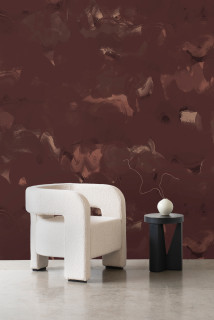
At her booth, New Zealand designer Emma Hayes debuted Dreamer, a pattern “inspired by the quiet drama of the atmosphere.” Though available in more neutral colors, the design was especially striking in Merlot Brushed Metallic, pictured.
Find an interior designer on Houzz