This article was originally published by a www.houzz.com . Read the Original article here. .

This article was originally published by a www.houzz.com . Read the Original article here. .

Alison Felstead, owner and interior designer at Naibu Design, says, “When designing a living room, I’d recommend you select the sofa first as it is generally the largest piece of furniture in the room. It needs to be proportionate to the space it’s going into, and very comfortable. I will often choose an easy-to-clean fabric in a neutral color that’s simple to update with cushions.”
Giulianna del Popolo, principal designer at GDP Interior Design, adds, “I’d recommend specifying custom-made upholstery pieces from local makers. Not only does this support local manufacturing, but it’s generally easier to customize pieces to your clients’ needs, you can easily follow the progress of the manufacture, there’s often more flexibility with timing, and you won’t have the hassle — or cost — of relying on overseas shipping.
“If you consider the quality and life span of custom pieces, they are not necessarily more expensive than imported retail pieces. Superior frames and fill types guarantee a long-life product. If you choose a piece with clean lines and comfortable proportions, it can last your clients for years, with the option to update the look and feel with new upholstery or filling down the track.”
Should You Go the Custom Route in Your Projects?
This article was originally published by a www.houzz.com . Read the Original article here. .
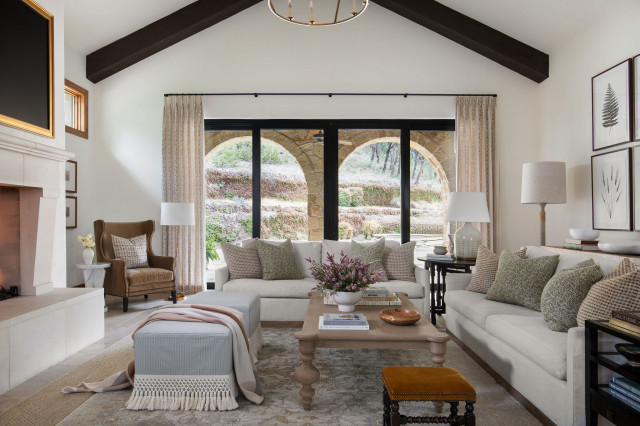
Alison Felstead, owner and interior designer at Naibu Design, says, “When designing a living room, I’d recommend you select the sofa first as it is generally the largest piece of furniture in the room. It needs to be proportionate to the space it’s going into, and very comfortable. I will often choose an easy-to-clean fabric in a neutral color that’s simple to update with cushions.”
Giulianna del Popolo, principal designer at GDP Interior Design, adds, “I’d recommend specifying custom-made upholstery pieces from local makers. Not only does this support local manufacturing, but it’s generally easier to customize pieces to your clients’ needs, you can easily follow the progress of the manufacture, there’s often more flexibility with timing, and you won’t have the hassle — or cost — of relying on overseas shipping.
“If you consider the quality and life span of custom pieces, they are not necessarily more expensive than imported retail pieces. Superior frames and fill types guarantee a long-life product. If you choose a piece with clean lines and comfortable proportions, it can last your clients for years, with the option to update the look and feel with new upholstery or filling down the track.”
Should You Go the Custom Route in Your Projects?
This article was originally published by a www.houzz.com . Read the Original article here. .

Alison Felstead, owner and interior designer at Naibu Design, says, “When designing a living room, I’d recommend you select the sofa first as it is generally the largest piece of furniture in the room. It needs to be proportionate to the space it’s going into, and very comfortable. I will often choose an easy-to-clean fabric in a neutral color that’s simple to update with cushions.”
Giulianna del Popolo, principal designer at GDP Interior Design, adds, “I’d recommend specifying custom-made upholstery pieces from local makers. Not only does this support local manufacturing, but it’s generally easier to customize pieces to your clients’ needs, you can easily follow the progress of the manufacture, there’s often more flexibility with timing, and you won’t have the hassle — or cost — of relying on overseas shipping.
“If you consider the quality and life span of custom pieces, they are not necessarily more expensive than imported retail pieces. Superior frames and fill types guarantee a long-life product. If you choose a piece with clean lines and comfortable proportions, it can last your clients for years, with the option to update the look and feel with new upholstery or filling down the track.”
Should You Go the Custom Route in Your Projects?
This article was originally published by a www.houzz.com . Read the Original article here. .
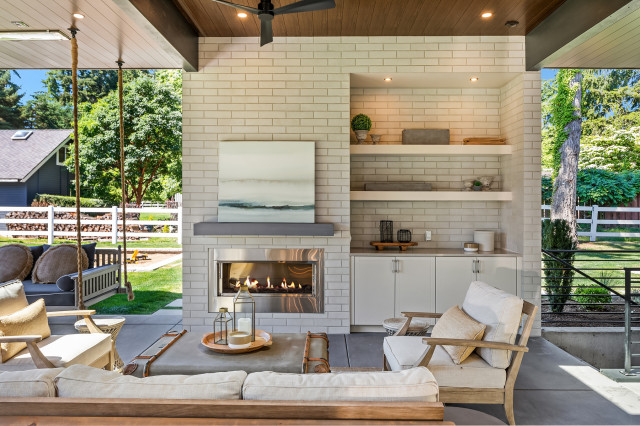
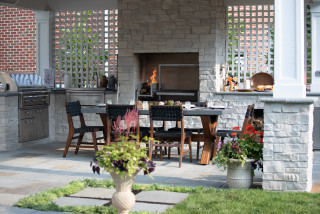
Portable fire pits can be easily added to most outdoor spaces, coming in many sizes and costing less than a permanent installation. “They’re relatively inexpensive, easy to relocate, require minimal cleanup and have little or no smoke to deal with,” Langhorne says.
This article was originally published by a www.houzz.com . Read the Original article here. .

Alison Felstead, owner and interior designer at Naibu Design, says, “When designing a living room, I’d recommend you select the sofa first as it is generally the largest piece of furniture in the room. It needs to be proportionate to the space it’s going into, and very comfortable. I will often choose an easy-to-clean fabric in a neutral color that’s simple to update with cushions.”
Giulianna del Popolo, principal designer at GDP Interior Design, adds, “I’d recommend specifying custom-made upholstery pieces from local makers. Not only does this support local manufacturing, but it’s generally easier to customize pieces to your clients’ needs, you can easily follow the progress of the manufacture, there’s often more flexibility with timing, and you won’t have the hassle — or cost — of relying on overseas shipping.
“If you consider the quality and life span of custom pieces, they are not necessarily more expensive than imported retail pieces. Superior frames and fill types guarantee a long-life product. If you choose a piece with clean lines and comfortable proportions, it can last your clients for years, with the option to update the look and feel with new upholstery or filling down the track.”
Find an interior designer on Houzz