Many small investors feel as if they are swimming against the tide. Political and regulatory headwinds are shifting in favor of owner-occupancy, while deep-pocketed corporate buyers scoop up swathes of housing. On top of that, rising expenses, such as maintenance and taxes, make it harder to turn a profit.
When “Protecting Homebuyers” Sidelines Small Investors
Investors are finding it particularly tough going in cities where strict rules on short-term rentals are squeezing out landlords, according to a recent analysis from Neighbors Bank. And the survey found that first-time homebuyers accounted for 69% of mortgages on starter homes (usually smaller, less expensive homes with three bedrooms) in 2024, while investors made up 31%.
Stringent short-term rental laws in Denver, Seattle, and Los Angeles have made it tough for investors to buy there, giving homeowners an advantage. In Denver, owner-occupants accounted for 84% of starter home purchases, and investors accounted for just 16%. Seattle and Los Angeles told similar stories, with homebuyers picking up 81% of starter homes.
California also mandates that tenants, nonprofits, and owner-occupants have a 45-day window to match investor bids on certain foreclosed homes, further disadvantaging investors. However, the country differs widely in this regard. In Miami, where median home prices are around $500,000, investors account for 57% of all starter home purchases, the most in the survey, and first-time buyers 43%.
“Affordability doesn’t exist in a vacuum,” Jake Vehige, president of mortgage lending at Neighbors Bank, who authored the report, told Realtor.com. “Two cities with similar home prices can have completely different outcomes, depending on how they regulate investor activity and protect owner-occupants.”
Bigger Players, Thinner Margins
The 800-pound gorilla in the room, regarding who is entitled to what, is supply. With a limited number of homes, investors and homebuyers have to duke it out, with housing laws serving as the referee.
U.S. single-family housing starts have recently fallen to near two-and-a-half-year lows, according to Reuters. Higher mortgage rates and weaker homebuilder confidence have dragged down the number of new homes being constructed.
Earlier in the year, the outlet reported that tariffs were expected to raise construction costs by $10,900 per home, further disincentivizing builders. For existing landlords, elevated material costs increase repair costs, especially for those pursuing a BRRRR strategy.
The challenge from Wall Street cannot be understated, either. Behemoths like the Blackstone-funded Invitation Homes have been buying up single-family properties. According to the Federal Reserve Bank of Philadelphia, the number of homes owned by Blackstone and similar firms increased from almost nothing in 2010 to close to 400,000 by 2021.
In some burgeoning neighborhoods, such as the Bradfield Farms subdivision outside Charlotte, North Carolina, corporate landlords who paid in cash own 50% of the homes, The New York Times says. The Times reported that corporate landlords are more likely to raise rents, evict tenants, and under-maintain properties than smaller landlords, which shifts opinion against all landlords.
Policy Shifts That Increase Costs and Shrink Flexibility for Smaller Landlords
Many cities, in a push for owner-occupancy and tenant protections, have made it increasingly difficult for smaller landlords financially. Rental registries, rent control, and no-cause eviction bans have squeezed landlords’ profit margins.
The management platform LandlordStudio defined a landlord-friendly state, examples of which it listed as Texas, Indiana, Florida, Georgia, and Arizona, as one that is favorable to investors in the following categories:
- Eviction process
- Landlord and tenant rights
- Rent control regulations
- Registration and licensing requirements
- Tax and insurance rates
- Market competition
In the meantime, co-investing platform SparkRental released a list of the least landlord-friendly cities in 2024, with these making the top five:
- Portland, Oregon
- New York, New York
- Washington, D.C.
- Baltimore, Maryland
- Detroit, Michigan
On the other side of the coin, GoBankingRates compiled a list of the best cities to be a landlord, with these among its favorites:
- Columbus, Ohio
- Phoenix, Arizona
- Nashville, Tennessee
- Charlotte, North Carolina
- Salt Lake City, Utah
The Financing Squeeze
Financing is also increasingly difficult for smaller landlords who aren’t taking out large loans, reports Realtor.com. Many lenders have cut down on lending smaller loan amounts, especially those under $100,000, because they are less profitable and seen as riskier under current regulatory frameworks. That means smaller homes, often a starting point for new investors, especially those pursuing the BRRRR strategy, are more likely to be sold to all-cash buyers.
Final Thoughts: Tips for Small Investors
Before you start ringing the alarm bells about real estate investing, it’s worth zooming out and looking at the macro picture. Small real estate investors with 10 properties or fewer still own more than 90% of the single-family properties in America—so clearly something is working. People will always need a place to live, and that is something neither artificial intelligence (AI) nor politics can change.
The real dilemma is the lack of housing compared to the population, which has pushed up costs. In its October Market Update, investment bank J.P. Morgan estimated that the U.S. was short 2.8 million housing units, the shortage will take a decade to resolve, and that lowering interest rates would do little to move the needle.
The bank stated:
“Today, the cost of owning a home is roughly 40% higher than renting, and the average American needs more than eight years to save for a down payment, both of which drive a preference for renting, with median apartment rents relative to median weekly wages now falling below where they were pre-pandemic.”
With that in mind, here are a few tips as you plan your investment journey.
Pick a strategy
Define your strategy based on your liquidity, time, and risk tolerance. Leveraging is fine in theory, but if you don’t have the capital to back it up when seas get rough—which they will—it can be a disaster.
Owning rentals requires reserves. If you don’t have them, partner with someone who has the cash but not the time.
Lean on digital tools, data, and local knowledge
These days, an ocean of knowledge about local markets is available at your fingertips, and digital tools—apps and software—make market analysis, deal sourcing, tenant screening, rent optimization, and accounting far easier for tech-savvy investors and management companies, saving time.
Focus on niches or underserved segments
The way investors can win against homeowners and institutional investors is to focus on areas where they are not dominant or don’t wish to be. These could be in the following:
- Affordable homes in smaller cities, closer to rural communities, where there is demand
- Older homes requiring moderate rehab, which new buyers typically do not wish to undertake
- Units that cater to renters who do not want an anonymous, large-scale corporate landlord. These are often in closer-knit, small communities.
- Areas with reasonable regulatory environments that are favorable to small landlords. For example, Washington state has floated the idea of capping the number of units a single investor can own, which would push out Wall Street investors.
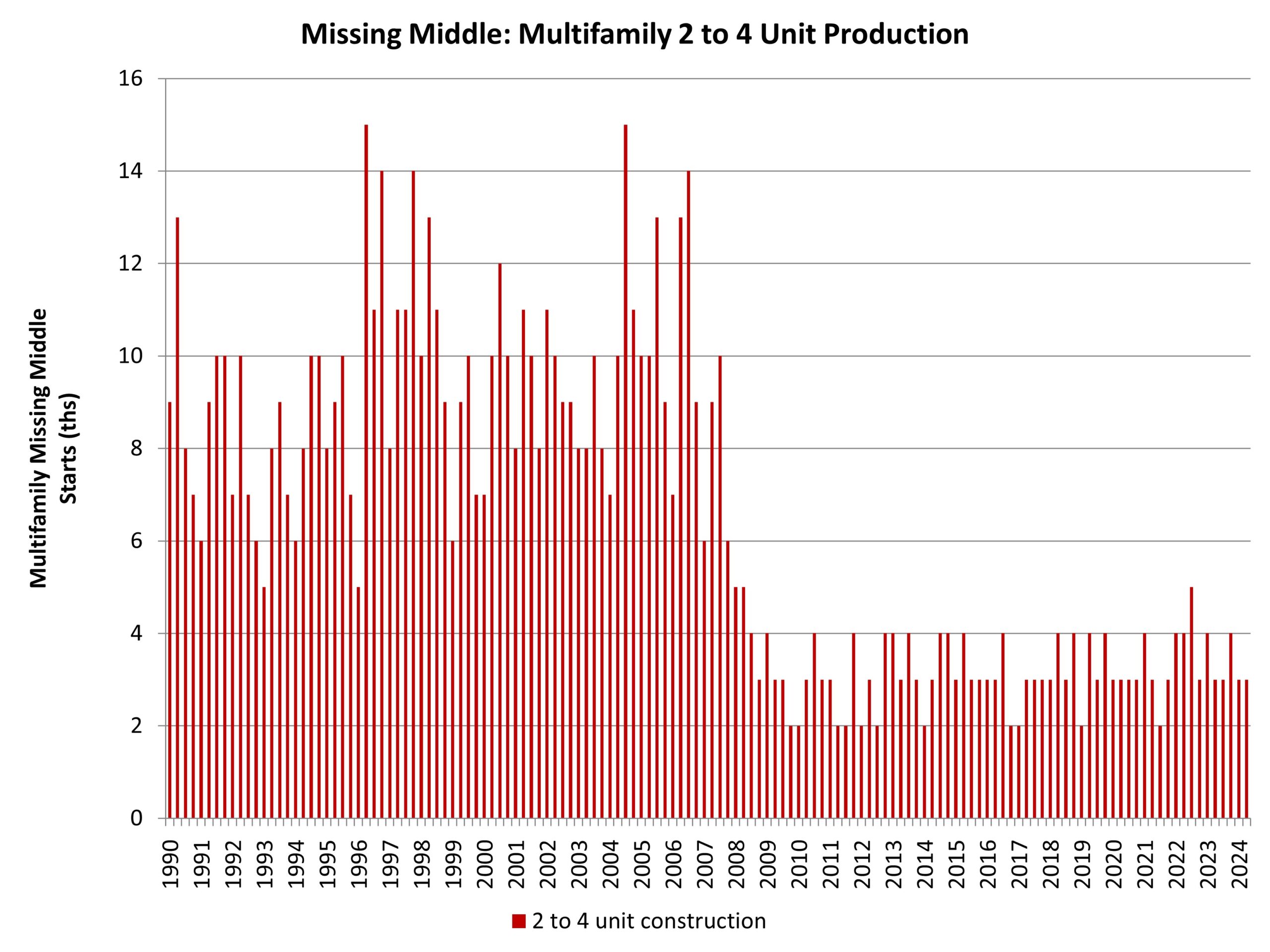
- House hack smaller multifamilies of two to four units, thus qualifying as an owner-occupant. Rinse and repeat.
Be selective. In the current housing environment, now is not the time to accrue a slew of doors unless you are extremely deep-pocketed. Rather, focus on making each purchase count, yielding the most cash flow possible by focusing on price, repairs, location, and rental demand.